Meditation Apps vs. Prayer Apps: What Should You Choose?

Digital tools have made it easier to explore different approaches to personal reflection. Some people use meditation apps to develop mindfulness and focus, while others turn to prayer apps to support their religious or spiritual routines. Although both can encourage people to set aside time for themselves, they do not necessarily serve the same purpose. Understanding the difference between meditation apps and prayer apps can help you choose a tool that fits your intentions. The right choice depends on what you want to practice, what you believe, and how you prefer to incorporate reflection into your day. What Is the Difference Between Meditation Apps and Prayer Apps? What Are Meditation Apps? Meditation apps are digital tools that help users engage in meditation or mindfulness activities. Depending on the app, these may include guided sessions, breathing exercises, quiet reflection, or practices focused on attention and awareness. People may use meditation to create a regular moment of calm, observe their thoughts, or build a habit of being more present. Meditation approaches differ, and not every meditation practice has the same spiritual or religious foundation. Some are secular, while others may draw from particular philosophical or spiritual traditions. What Are Prayer Apps? Prayer apps are designed to support prayer and other faith-related activities. Depending on the platform, they may offer devotional materials, prayer-related features, or a digital space for engaging with spiritual practices. For many people, prayer involves communicating with or expressing devotion to a divine presence. Its meaning and form vary across religious traditions and individual beliefs. A prayer app may help users remember or organize their practice, but it does not determine the meaning of prayer for them. Meditation Apps vs. Prayer Apps: Key Differences Aspect Meditation Apps Prayer Apps Primary purpose Support meditation, mindfulness, or focused reflection Support prayer and faith-related practices Common activities Guided meditation, breathing, quiet observation Prayer, devotion, or other prayer-related activities Spiritual orientation May be secular or connected to a tradition Usually centered on prayer or faith Personal intention Often focused on attention, awareness, or stillness Often focused on devotion, communication, gratitude, or spiritual connection Best fit People seeking a structured meditation practice People seeking support for a prayer routine These are general distinctions, not strict rules. Some people combine prayer and meditation, and some digital platforms support more than one kind of practice. Which App Should You Choose? Choose a Meditation App If You Want to Practice Mindfulness If your goal is to set aside time for focused attention, explore guided meditation, or establish a mindfulness routine, a meditation app may be a suitable starting point. Look for an approach that feels comfortable and manageable. You do not need to begin with long sessions; a short, consistent practice may be easier to maintain. Choose a Prayer App If You Want Support for Your Faith Routine If prayer is already part of your beliefs or something you want to explore more consistently, a prayer app may be more relevant to your needs. Consider whether the app’s approach to prayer aligns with your tradition and whether its features genuinely support your routine. Avoid choosing an app simply because it offers the largest number of features. Consider Both If Your Practices Overlap Some people find value in both prayer and meditation. For example, they may use meditation for quiet reflection and prayer for a more direct expression of faith. There is no universal requirement to choose only one. The important thing is to understand the purpose of each practice and use them in a way that feels appropriate to your beliefs. What Should You Look for in a Spiritual App? Before choosing an app, consider these factors: A simple tool that fits your routine may be more useful than a complicated app you rarely open. Exploring Digital Devotion With Devotion Coin Devotion Coin is a faith-focused digital ecosystem that explores new ways to support digital devotion and spiritual connection. Its approach uses blockchain as technological infrastructure rather than positioning the platform as an investment or trading service. For people interested in digital faith engagement, it offers another perspective on how technology can be incorporated into spiritual experiences. Users should explore the platform’s current offerings and determine whether they align with their own needs and beliefs. Conclusion The choice between meditation apps and prayer apps comes down to your intention. Meditation apps may support mindfulness and focused reflection, while prayer apps are more directly connected to prayer and faith-related routines. Some people may benefit from using both. Start by identifying what you want to practice, then choose a tool that supports that purpose without distracting you from it. Explore Devotion Coin to learn more about digital devotion and new approaches to spiritual connection. Frequently Asked Questions Are meditation apps and prayer apps the same? No. They may overlap, but meditation apps generally support meditation or mindfulness, while prayer apps focus on prayer and related spiritual activities. Can I use a meditation app and a prayer app together? Yes. Some people use both for different purposes, depending on their beliefs and personal routines. Are prayer apps only for religious people? Prayer apps are generally designed around prayer or faith-related activities. Whether one is appropriate for you depends on your beliefs and the way you want to engage with spirituality. What should beginners look for in a prayer app? Beginners should look for an easy-to-use platform whose purpose and approach align with their beliefs, without unnecessary pressure to use it constantly.
Why Do People Use Apps for Spiritual Growth?
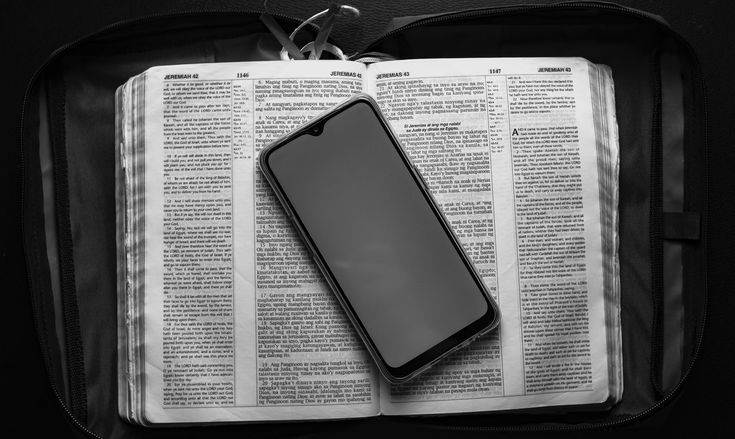
Spiritual growth has always been a personal journey. For some people, it means developing a consistent prayer routine. For others, it involves reflection, gratitude, or finding more time to connect with their beliefs. However, maintaining these practices can be challenging when daily responsibilities compete for attention. This is one reason why apps for spiritual growth have become an option for people who want to incorporate spirituality into their everyday lives. Digital tools offer new ways to approach personal reflection, establish routines, and stay connected with faith in a world where smartphones are already part of daily life. But what makes these apps useful, and can technology genuinely support a meaningful spiritual journey? What Are Apps for Spiritual Growth? Apps for spiritual growth are digital tools designed to support personal reflection, faith-related activities, and spiritual routines. Depending on their purpose, they may help users organize prayer time, explore devotional content, reflect on personal experiences, or connect with broader faith communities. Unlike traditional practices that may depend on physical books, printed materials, or scheduled gatherings, digital tools can be accessed through a smartphone. This can make spiritual activities easier to incorporate into different schedules and lifestyles. However, an app is only a tool. It does not replace personal belief, meaningful reflection, or the human relationships that often form an important part of spiritual life. Why Are People Turning to Spiritual Growth Apps? 1. They Make Daily Practices Easier to Maintain Consistency can be difficult when a person’s schedule changes from day to day. Work, school, family responsibilities, and other commitments can make it easy to postpone personal spiritual activities. A spiritual growth app can provide a convenient way to return to those practices during a break, before starting the day, or at another suitable moment. Small, repeatable actions may help people create a routine that fits their lives. 2. They Offer Convenient Access to Spiritual Activities People already use smartphones to communicate, learn, and organize their schedules. Using the same device for spiritual reflection can make the practice feel more accessible. Digital tools can also reduce the need to carry multiple physical materials. Users can explore the activities available in an app whenever they have the time and a suitable environment. Convenience, however, should support the quality of a spiritual practice rather than become its main purpose. 3. They Encourage Personal Reflection Spiritual growth often involves examining personal values, experiences, and decisions. Setting aside time for reflection can help people become more aware of their thoughts and intentions. Some digital platforms provide a dedicated space for devotional activities or personal reflection. This can help users make room for a practice that might otherwise be overlooked during a busy day. 4. They Create New Ways to Connect Spirituality can be personal, but it can also involve community. Digital platforms offer additional ways for people to participate in faith-related activities and feel connected beyond their immediate surroundings. For people who cannot always attend in-person gatherings, digital engagement may complement existing practices. It should not be assumed to replace every benefit of face-to-face participation. Can Technology Support Meaningful Spiritual Growth? Technology can make spiritual activities more accessible, but meaningful growth depends on how people use it. Opening an app every day does not automatically create a deeper connection with one’s beliefs. What matters is the intention behind the activity, the attention given to it, and whether it supports the user’s broader spiritual values. To use digital tools more intentionally: These habits can help keep technology in its proper role: supporting a personal journey rather than defining it. How Devotion Coin Fits Into Digital Spirituality Devotion Coin is a faith-focused digital ecosystem designed to support digital devotion and spiritual connection. It explores how blockchain technology can provide infrastructure for digital faith-related engagement, while keeping the emphasis on spirituality rather than financial speculation. For people interested in digital devotion, Devotion Coin represents an example of how technology can be used to explore new ways of engaging with spiritual practices. As with any digital platform, users should review its available features and decide whether they fit their personal beliefs and preferences. The Future of Spiritual Growth in a Digital World Digital spirituality will continue to develop as people look for ways to combine familiar practices with modern technology. Blockchain-based systems and other digital tools may introduce additional ways to participate in online faith communities and devotional experiences. Still, technology alone cannot create spiritual meaning. The most useful digital experiences will be those that respect personal beliefs, encourage intentional participation, and support rather than distract from a person’s values. Conclusion People use apps for spiritual growth because digital tools can make reflection, devotion, and faith-related activities easier to access and incorporate into daily routines. Their value depends on whether they help users practice with greater intention, not simply on how often an app is opened. If you are exploring digital devotion, discover Devotion Coin and learn more about how technology can support new forms of spiritual connection. Frequently Asked Questions What is an app for spiritual growth? It is a digital tool designed to support activities such as prayer, reflection, devotion, or other personal spiritual practices. Can a spiritual growth app replace traditional religious practices? Not necessarily. These apps can complement personal and community practices, but they do not automatically replace the meaning or relationships associated with in-person participation. How can I choose a spiritual growth app? Consider its purpose, available features, privacy practices, ease of use, and whether its approach aligns with your beliefs. Is digital spirituality only for younger people? No. Digital tools may appeal to people of different ages, depending on their comfort with technology and their individual needs.