How Does Proof of Intercession Work Explained Simply
If you’ve ever wondered how does Proof of Intercession work explained simply, you’re not alone. As faith and technology increasingly intersect, new concepts are emerging that help people engage more deeply with prayer, devotion, and spiritual community. Proof of Intercession is one such idea. In simple terms, it is a faith-centered approach that recognizes and encourages acts of prayer, support, and spiritual care within a digital ecosystem. Rather than focusing on financial transactions, it highlights meaningful participation in prayer and devotion, helping communities stay connected through shared spiritual experiences. For those exploring modern faith platforms, understanding Proof of Intercession can provide insight into how technology can strengthen not replace authentic spiritual practices. What Is Proof of Intercession? To answer how does Proof of Intercession work explained simply, it helps to start with the meaning of intercession itself. Intercession refers to praying or offering spiritual support on behalf of another person. Across many faith traditions, intercessory prayer is seen as an act of compassion, care, and community. A Simple Definition Proof of Intercession is a concept that recognizes participation in prayer and spiritual support within a digital environment. Instead of measuring financial activity, the focus is on: The goal is to create a culture where prayer and support are visible, valued, and encouraged. Why Does It Matter? Many people want their faith practices to feel connected to a larger community. Proof of Intercession helps highlight collective devotion by encouraging people to pray for one another and remain active in their spiritual journey. Why Modern Faith Communities Need New Forms of Connection Life today often feels fragmented. People may live far from family, move frequently, or struggle to participate regularly in local faith communities. As a result, many experience: Digital faith platforms help bridge these gaps by creating opportunities for ongoing spiritual connection. Technology Can Support Faith, Not Replace It Technology is often seen as a distraction. However, when used intentionally, it can help people: This is one reason why concepts like Proof of Intercession are becoming increasingly relevant. To explore the broader relationship between prayer and technology, read Where Can I Join a Prayer Community Near Me? How Devotion Coin Uses Blockchain to Support Digital Devotion When discussing how does Proof of Intercession work explained simply, it’s important to understand the role of blockchain in faith-centered ecosystems. Blockchain as a Foundation for Trust Blockchain technology can help create transparent and trusted digital environments. In Devotion Coin, the emphasis is not on financial transactions but on supporting meaningful participation in prayer and spiritual engagement. The technology works quietly behind the scenes while users focus on what matters most: A Unique Faith-First Approach Devotion Coin is designed specifically for spiritual connection. Unlike traditional platforms that prioritize content consumption or social engagement alone, Devotion Coin encourages active participation in faith practices. This creates a unique digital devotion experience centered on purpose and community. To learn more about this model, visit How Does Prayer Work on Blockchain Without Money? Real-Life Examples of Proof of Intercession The concept becomes easier to understand through practical examples. Supporting Someone Through Prayer Imagine a community member shares a prayer request. Others respond by offering prayers, encouragement, and spiritual support. Proof of Intercession recognizes and values these acts of care. Building Consistent Prayer Habits Many people struggle with consistency. A faith-centered platform can encourage users to maintain regular prayer routines by making participation visible and meaningful. Strengthening Community Bonds Intercessory prayer often creates stronger connections between people. When individuals pray for one another regularly, communities become more compassionate, supportive, and spiritually engaged. This is one of the key benefits of integrating devotion into digital environments. The Future of Proof of Intercession, AI, and Digital Faith The future of faith technology is likely to become more personalized and community-driven. Artificial intelligence can help recommend relevant devotional content. Blockchain can support trusted participation. Digital platforms can connect prayer communities across the globe. What Might the Future Look Like? Future faith ecosystems may include: While the technology evolves, the purpose remains the same: helping people connect more deeply with faith, prayer, and one another. As interest grows in how does Proof of Intercession work explained simply, more people will discover that digital tools can support authentic spiritual engagement without changing the heart of prayer itself. Conclusion Understanding how does Proof of Intercession work explained simply reveals a powerful idea: technology can be used to recognize, encourage, and strengthen acts of prayer and spiritual support. By highlighting devotion rather than transactions, faith-centered platforms can help build stronger communities and more consistent spiritual habits. Devotion Coin offers a unique vision where blockchain technology supports meaningful prayer experiences, helping people stay connected through faith, compassion, and shared devotion. Download Devotion Coin on Google Play Turn your intention into meaningful action and download Devotion Coin to join a growing community centered on prayer, devotion, and spiritual connection. FAQs: Does Devotion Coin focus on financial rewards? No. Devotion Coin is not an investment or trading platform. Its primary purpose is to promote prayer, spiritual reflection, devotion, and meaningful faith engagement. Can Proof of Intercession help build stronger prayer habits? Yes. By encouraging active participation and community support, Proof of Intercession can help users develop more consistent prayer routines and deeper spiritual connections. Where can I download Devotion Coin? You can Download Devotion Coin on Google Play and begin participating in a faith-focused digital ecosystem built around prayer, devotion, and spiritual community.
Best Prayer Apps for Daily Spiritual Growth

Finding the best prayer apps for daily spiritual growth can make a meaningful difference in how consistently you connect with your faith. In today’s fast-paced digital world, many people struggle to find time for prayer, reflection, and spiritual renewal. Prayer apps help bridge that gap by providing accessible tools, reminders, and communities that encourage daily devotion. Whether you’re looking to strengthen your prayer habits, deepen your spiritual journey, or stay connected with a faith community, the right prayer app can become a valuable companion for personal growth. Understanding Prayer Apps and Their Role in Spiritual Growth Prayer apps are digital tools designed to help individuals incorporate prayer and reflection into their everyday lives. They make spiritual practices more accessible by bringing faith-centered resources directly to a smartphone or device. What Is a Prayer App? A prayer app is a mobile platform that helps users engage with prayer, devotionals, spiritual reflections, and faith-based communities. Features often include: The purpose is to support and encourage a consistent spiritual routine. Why Are Prayer Apps Growing in Popularity? People today face increasingly busy schedules and constant distractions. Prayer apps provide a convenient way to stay connected to faith throughout the day, whether at home, at work, or while traveling. For many individuals, these tools make spiritual growth feel more achievable and sustainable. Modern Life, Technology, and the Need for Daily Prayer Technology has transformed how people communicate, work, and learn. It has also changed how many engage with their spiritual lives. While digital devices can create distractions, they can also be used intentionally to strengthen faith. The Challenge of Staying Spiritually Consistent Many people want to pray more regularly but struggle to maintain a routine. Notifications, work demands, and daily responsibilities can make it easy to postpone prayer until it becomes an occasional practice. Prayer apps help by creating moments of intentional reflection throughout the day. How Prayer Apps Help Combat Spiritual Disconnect Spiritual disconnect often occurs when people feel overwhelmed by the demands of modern life. Prayer apps can help users: These small interactions can lead to meaningful long-term spiritual growth. To learn more about the role of digital faith platforms, visit:What Is a Digital Prayer Platform and How Does It Work? How Devotion Coin Brings a Unique Approach to Digital Prayer Among the many options available, Devotion Coin offers a distinctive faith-first experience focused on prayer, devotion, and spiritual engagement. A Faith-Centered Digital Ecosystem Devotion Coin is designed to help individuals strengthen their connection to faith through meaningful digital experiences. Rather than focusing on financial activities, the platform emphasizes prayer, devotion, community participation, and spiritual growth. Blockchain Supporting Digital Devotion Blockchain technology serves as a foundation for transparency and authentic participation within the Devotion Coin ecosystem. Users do not need technical expertise to benefit from the platform. The focus remains on faith engagement, prayer, and meaningful connection. Learn more about this innovative approach:How Does Prayer Work on Blockchain Without Money? Why Devotion Coin Stands Apart Devotion Coin combines: Its mission is to help people maintain a stronger and more consistent prayer life in a modern world. Real-Life Ways Prayer Apps Support Spiritual Growth The value of the best prayer apps for daily spiritual growth becomes clear through everyday experiences. Building Better Prayer Habits Many users find that prayer reminders help them establish consistent routines. Even a few minutes of intentional prayer each day can strengthen spiritual discipline over time. Encouraging Faith Consistency Consistency often matters more than duration. Prayer apps help users stay connected to their faith through regular engagement, even during busy periods. Small daily practices often lead to lasting spiritual growth. Creating Community Connection Faith grows through relationships and shared experiences. Digital prayer communities allow users to encourage one another, share prayer intentions, and build meaningful connections regardless of location. These communities help create a sense of belonging and support. The Future of Prayer Apps, AI, and Blockchain Technology continues evolving, and faith-centered platforms are discovering new ways to support spiritual growth. How AI May Enhance Spiritual Engagement Artificial intelligence may help provide: These tools can make spiritual engagement more accessible while preserving personal faith experiences. The Role of Blockchain in Faith Communities Blockchain can help create trusted environments for prayer participation and community engagement. When used thoughtfully, it supports authentic interaction and shared spiritual experiences. A Future Focused on Purpose The future of faith technology is not about replacing traditional prayer. Instead, it is about providing tools that help people remain connected to faith in a world filled with distractions. Platforms like Devotion Coin demonstrate how innovation can serve spiritual purpose while encouraging meaningful devotion. Conclusion The best prayer apps for daily spiritual growth are those that help individuals build consistent prayer habits, deepen spiritual connection, and engage with supportive faith communities. As technology becomes a larger part of everyday life, faith-centered platforms offer valuable opportunities to strengthen devotion without sacrificing authenticity. Devotion Coin stands apart by combining digital devotion, community engagement, and innovative technology in a way that keeps faith at the center of the experience. Reconnect with what truly matters and start a more intentional daily prayer journey by Download Devotion Coin on Google Play FAQs: 1. What are the best prayer apps for daily spiritual growth? The best prayer apps for daily spiritual growth help users develop consistent prayer habits, access devotional content, receive reminders, and connect with supportive faith communities. They make spiritual practices more accessible in everyday life. 2. How do prayer apps help strengthen faith? Prayer apps encourage regular prayer, reflection, and devotion through daily reminders, inspirational content, guided prayers, and community engagement, helping users stay connected to their faith. 3. Are prayer apps a replacement for traditional prayer? No. Prayer apps are designed to complement traditional prayer practices by providing convenient tools and resources that support spiritual growth and consistency.
Anonymous Prayer vs Public Prayer Which Is More Effective

When people ask anonymous prayer vs public prayer which is more effective, they are often seeking a deeper understanding of how different forms of prayer influence spiritual growth, emotional healing, and connection with others. The truth is that effectiveness depends less on visibility and more on sincerity, intention, and consistency. Both anonymous prayer and public prayer offer unique spiritual benefits, and in today’s digital world, believers can engage in both in ways that strengthen their faith journey. Understanding Anonymous Prayer and Public Prayer Before comparing effectiveness, it is important to understand what each type of prayer means. Anonymous prayer allows individuals to share prayer intentions or pray privately without revealing their identity. Public prayer, on the other hand, involves praying openly within a group, community, congregation, or shared spiritual environment. What Is Anonymous Prayer? Anonymous prayer is a form of prayer where a person’s identity remains private. This approach often encourages honesty because individuals feel safe expressing personal struggles, fears, hopes, and challenges without concern about judgment. Benefits of anonymous prayer include: What Is Public Prayer? Public prayer involves praying openly with others. It can occur during religious gatherings, community events, prayer groups, or online faith communities. Benefits of public prayer include: Which Is More Effective? The answer to anonymous prayer vs public prayer which is more effective is not one-size-fits-all. Anonymous prayer may be more effective for personal vulnerability and emotional healing, while public prayer may be more effective for building community, encouragement, and shared faith experiences. Many people benefit from incorporating both into their spiritual lives. Why This Question Matters in Modern Life Today’s world presents unique challenges to maintaining a consistent prayer life. Stress, busy schedules, social pressures, and digital distractions often make it difficult to create meaningful moments of spiritual reflection. The Rise of Digital Faith Practices Technology has transformed how people connect with faith communities. Many individuals now participate in online prayer groups, digital devotion platforms, and faith-based communities that allow both private and public forms of prayer. This flexibility helps people stay spiritually engaged regardless of location or schedule. Addressing Spiritual Isolation Many people experience periods of loneliness or spiritual disconnection. Anonymous prayer can provide a safe space to seek support without fear of exposure, while public prayer can create a sense of belonging through shared faith experiences. Both approaches help address the growing need for meaningful spiritual connection. To better understand digital faith experiences, explore:What Is a Digital Prayer Platform and How Does It Work? How Devotion Coin Supports Digital Prayer and Faith Connection As faith practices evolve alongside technology, platforms like Devotion Coin offer new ways to engage in prayer while preserving spiritual authenticity. A Faith-First Digital Ecosystem Devotion Coin is designed to strengthen prayer, devotion, and community connection. Rather than focusing on financial activity, the platform prioritizes meaningful spiritual engagement and shared faith experiences. This allows individuals to participate in prayer in ways that feel comfortable, whether privately or within a larger community. Blockchain and Faith Without Complexity Devotion Coin uses blockchain technology as a foundation for trust, transparency, and participation. Users do not need technical knowledge to engage with the platform. The emphasis remains on faith, connection, and spiritual growth. Learn more about this approach here:How Does Prayer Work on Blockchain Without Money? Why Devotion Coin Is Unique Devotion Coin occupies a distinctive space where technology serves spiritual purpose. The platform supports: The goal is to help people deepen their connection to faith in a modern world. Real-Life Examples of Anonymous and Public Prayer Understanding anonymous prayer vs public prayer which is more effective becomes easier through practical examples. When Anonymous Prayer Helps Most Imagine someone experiencing grief, personal hardship, or emotional challenges. They may feel uncomfortable sharing publicly but still desire prayer support. Anonymous prayer allows them to express their needs honestly while maintaining privacy. When Public Prayer Creates Impact A person participating in a prayer group may find strength through hearing others pray, sharing encouragement, and feeling supported by a community. Public prayer often reinforces the understanding that no one walks their spiritual journey alone. Combining Both for Greater Consistency Many people discover that the most effective approach is using both forms of prayer. Private moments of reflection nurture personal faith, while community prayer strengthens relationships and accountability. Together, they create a balanced and sustainable spiritual practice. The Future of Prayer: AI, Faith, and Blockchain Technology continues to reshape how people experience faith and spiritual connection. How AI May Enhance Spiritual Engagement Artificial intelligence may help provide: These tools can support consistency while allowing individuals to maintain personal spiritual practices. The Role of Blockchain in Digital Faith Communities Blockchain offers opportunities to create trusted digital environments where people can participate in prayer, devotion, and community engagement. The focus remains on supporting authentic spiritual experiences rather than replacing traditional faith practices. A Future Built on Connection As digital faith communities continue growing, individuals will have more opportunities to engage in prayer both privately and publicly. Platforms that prioritize purpose, trust, and spiritual connection will help people navigate faith in an increasingly connected world. Conclusion The debate around anonymous prayer vs public prayer which is more effective reveals that both forms of prayer offer meaningful benefits. Anonymous prayer provides privacy and emotional honesty, while public prayer fosters encouragement and community connection. Rather than choosing one over the other, many individuals find spiritual strength through a balance of both. Devotion Coin supports this modern approach by creating a faith-centered digital ecosystem where prayer, devotion, and community can flourish together. Be part of a shared spiritual experience where every prayer matters and deepen your connection with faith Download Devotion Coin on Google Play. FAQs: 1. What is anonymous prayer? Anonymous prayer is a form of prayer where individuals share prayer requests or pray without revealing their identity. It provides privacy and encourages honest expression of personal concerns and spiritual needs. 2. What is public prayer? Public prayer involves praying openly with others, such as in a congregation, prayer group, community gathering,
Best Faith-Based Apps to Use Near Me Daily

In a world where smartphones shape much of our daily routines, many people are searching for the best faith-based apps to use near me daily to stay spiritually connected throughout the day. Whether you’re looking for daily prayer reminders, inspirational content, community support, or meaningful devotional experiences, faith-centered apps can help make spiritual growth more accessible and consistent. As modern life becomes increasingly busy and digitally driven, having faith resources available anytime and anywhere can provide encouragement, guidance, and a deeper sense of purpose. Why Faith-Based Apps Matter in Daily Life Faith-based apps have become valuable tools for people seeking spiritual consistency in an increasingly connected world. They provide easy access to prayer, devotionals, scripture, reflection exercises, and faith communities without requiring a specific location or schedule. Many individuals struggle to balance work, family responsibilities, social obligations, and personal growth. As a result, spiritual practices can sometimes be pushed aside despite their importance. The best faith-based apps help bridge this gap by bringing faith directly into daily routines. Whether during a morning commute, lunch break, or evening reflection, users can engage with meaningful spiritual content wherever they are. What Is a Faith-Based App? A faith-based app is a mobile application designed to support spiritual practices and personal faith development. These apps may offer: Their purpose is not to replace traditional faith practices but to complement them in today’s digital environment. Why People Search for Faith-Based Apps Near Them Many users search phrases like “best faith-based apps near me” because they want spiritual resources that fit naturally into their local routines and daily lives. Unlike physical locations that may have limited schedules, faith apps offer continuous access to guidance and encouragement whenever needed. The Growing Need for Digital Faith in a Connected World Modern technology has transformed how people communicate, learn, and build relationships. It has also changed how individuals practice and maintain their faith. While technology offers convenience, it can also contribute to stress, distraction, and feelings of disconnection. Constant notifications, endless scrolling, and information overload often leave little room for reflection and prayer. Faith-based apps help create intentional moments of spiritual focus amid these challenges. Addressing Spiritual Disconnect Many people desire a stronger connection with their faith but struggle to maintain consistency. Digital faith tools can help by: These simple interactions can make a significant difference in building long-term spiritual discipline. Faith Meets Daily Convenience One reason the best faith-based apps continue growing in popularity is their ability to integrate naturally into everyday life. Rather than requiring additional travel or scheduling, they allow users to engage in meaningful spiritual practices whenever inspiration strikes. For additional insights into digital faith experiences, readers may find this article helpful: What Is a Digital Prayer Platform and How Does It Work? How Devotion Coin Brings Innovation to Digital Devotion As faith technology evolves, Devotion Coin introduces a unique approach to digital spiritual engagement. Unlike traditional applications focused solely on content consumption, Devotion Coin creates an ecosystem designed to strengthen intentional prayer, reflection, and community participation. What Is Devotion Coin? Devotion Coin is a faith-based digital ecosystem built to encourage prayer, devotion, and meaningful spiritual engagement. Its mission centers on helping individuals deepen their connection to faith through accessible digital experiences. Importantly, Devotion Coin is not designed as an investment or trading platform. Its primary purpose is spiritual growth, community connection, and faith engagement. How Blockchain Supports Faith Experiences Blockchain technology often gets associated with finance, but its potential extends beyond monetary applications. Within Devotion Coin, blockchain serves as a foundation for creating transparent, secure, and meaningful digital faith experiences. This approach helps support: The focus remains firmly on faith and devotion rather than financial activity. To learn more about this concept, readers can explore: How Does Prayer Work on Blockchain Without Money? A Unique Position in the Faith Technology Space Devotion Coin stands apart because it combines: Rather than competing with traditional worship or prayer practices, it aims to complement them through thoughtful technology. Practical Ways Faith-Based Apps Support Spiritual Growth The value of faith-based apps becomes clearer when viewed through everyday situations. Building Consistent Prayer Habits Consistency is one of the greatest challenges in spiritual growth. Many users find that simple reminders and accessible prayer tools help them develop stronger daily prayer routines. Over time, these small habits can lead to deeper spiritual engagement and greater intentionality. Staying Connected to a Faith Community Faith often grows through shared experiences. Digital platforms can help users connect with others who share similar values, prayer intentions, and spiritual goals. This sense of community can provide encouragement during both joyful and difficult seasons of life. Creating Moments of Reflection Even a few minutes of reflection can have a meaningful impact on emotional and spiritual well-being. Faith-based apps make it easier to pause, reflect, and reconnect with purpose throughout the day. For many people, these moments become anchors of stability in an otherwise hectic schedule. The Future of Faith, AI, and Blockchain Technology continues to evolve rapidly, and faith communities are exploring new ways to engage with digital tools responsibly and meaningfully. The future may include: The goal is not to replace human connection or traditional spiritual practices. Instead, technology can help create new opportunities for faith engagement across geographic and cultural boundaries. Why Digital Faith Will Continue Growing People increasingly seek ways to integrate spirituality into modern life. As technology becomes more embedded in daily routines, faith-based platforms that prioritize purpose, connection, and accessibility will likely play a growing role in helping individuals stay spiritually grounded. Devotion Coin represents an example of how innovation can support faith while preserving the values and intentions that make spiritual practices meaningful. Conclusion The search for the best faith-based apps to use near me daily reflects a growing desire for spiritual connection in an increasingly digital world. Faith-centered platforms can help individuals build stronger prayer habits, stay connected with supportive communities, and create intentional moments of reflection throughout the day. By combining digital devotion with innovative technology, Devotion Coin
How to Start a Digital Prayer Routine Near Me

If you’ve been searching for how to start a digital prayer routine near me, you’re not alone. Many people want to build a more consistent prayer life but struggle to find the time, structure, or community support needed to stay engaged. A digital prayer routine offers a practical way to integrate faith into everyday life, allowing individuals to connect with prayer, reflection, and spiritual growth wherever they are. With modern technology making faith more accessible than ever, starting a digital prayer routine can be a meaningful step toward a deeper spiritual journey. Understanding What a Digital Prayer Routine Is A digital prayer routine is a consistent practice of prayer and devotion supported by digital tools, online communities, or faith-based platforms. Rather than replacing traditional prayer, it helps people maintain spiritual habits through convenient and accessible resources that fit modern lifestyles. What Is a Digital Prayer Routine? A digital prayer routine involves setting aside intentional time each day for prayer, reflection, gratitude, or devotional activities using digital platforms. This can include: For those searching how to start a digital prayer routine near me, the goal is to create a sustainable habit that strengthens spiritual connection. Why More People Are Turning to Digital Prayer Modern life is filled with distractions. Work responsibilities, family commitments, social media, and constant notifications can make it difficult to prioritize spiritual practices. As a result, many people feel disconnected from their faith despite wanting a stronger relationship with prayer. Technology and the Search for Spiritual Consistency Technology is often seen as a source of distraction, but it can also become a tool for spiritual growth. Digital prayer platforms help users establish routines by making devotional practices more accessible throughout the day. Whether someone is at home, traveling, or managing a busy schedule, digital prayer provides opportunities to stay connected to faith. If you are comparing your options, it is helpful to look at how prayer apps vs. traditional prayer methods and which is better for your personal needs, ensuring that your chosen path supports genuine peace rather than digital distraction. How Devotion Coin Combines Blockchain and Digital Devotion Devotion Coin is a faith-based digital ecosystem designed to encourage prayer, devotion, and meaningful spiritual engagement. Unlike traditional blockchain projects, Devotion Coin is not focused on financial activity. Instead, it uses innovative technology to support faith-centered experiences and community participation. How Does Blockchain Support Prayer? Blockchain helps create a trusted digital environment where users can engage with spiritual content and devotional practices. The technology works quietly in the background, allowing people to focus on prayer, intention, and spiritual growth rather than technical details. This unique combination of blockchain and faith helps Devotion Coin stand apart as a platform dedicated to digital devotion. For many, the transition to digital tools is a way to overcome the disconnect of a busy life, helping them maintain the best prayer groups near me for daily spiritual growth without the limitations of geography or time. Why Devotion Coin Is Different Devotion Coin focuses on strengthening spiritual habits rather than promoting transactions or investments. Its mission is to create a meaningful space where people can build consistent prayer routines and connect with a broader faith-centered community. Practical Steps to Start a Digital Prayer Routine Starting a prayer routine does not require major changes. Small, consistent actions often create the most lasting results. Begin with a Simple Daily Schedule Choose a specific time each day for prayer. Many people find success by praying: Consistency is more important than duration. Use Prayer Reminders Digital reminders can help reinforce new habits. Simple notifications can encourage users to pause, reflect, and reconnect with their spiritual intentions. Join a Digital Prayer Community Faith often grows through shared experiences. Connecting with others through digital prayer groups can provide encouragement, accountability, and a sense of belonging. For those searching how to start a digital prayer routine near me, community support can make a significant difference in maintaining long-term consistency. The Future of Prayer: AI, Blockchain, and Spiritual Growth As technology continues to evolve, digital faith experiences will become increasingly personalized and accessible. Artificial intelligence may help deliver customized devotional content, while blockchain can support trusted digital communities centered on prayer and spiritual engagement. What Does the Future Hold? The future of digital devotion is not about replacing traditional faith practices. Instead, it is about helping people remain connected to prayer regardless of location, schedule, or life circumstances. Platforms like Devotion Coin demonstrate how innovation can support deeper spiritual habits while preserving the personal and meaningful nature of prayer. As more individuals search for how to start a digital prayer routine near me, digital faith ecosystems will continue to play an important role in helping people build stronger relationships with their faith. Ready to build a prayer routine that fits your life and keeps you connected to a supportive faith community? Download Devotion Coin today and take the first step toward a more intentional and spiritually connected future: Download Devotion Coin on Google Play Start today, stay consistent, and discover how a simple daily prayer practice can bring renewed hope, encouragement, and purpose to every part of your life. FAQs: How can I start a digital prayer routine near me? You can start a digital prayer routine with the Devotion Coin app from anywhere. Simply download the app, create an account, and begin incorporating prayer into your daily schedule through prayer requests, community engagement, and faith-based interactions available on the platform. Does Devotion Coin help users build a consistent prayer habit? Yes. Devotion Coin provides a dedicated digital space where users can regularly engage with prayer requests, pray for others, and stay connected with a faith-based community. These features can help reinforce consistency and encourage daily spiritual reflection. Can I submit my own prayer requests through Devotion Coin? Absolutely. Devotion Coin allows users to submit prayer requests directly through the app. Sharing your prayer needs can become an important part of your daily prayer routine while also inviting support and encouragement from
Digital Prayer vs In-Person Prayer: What Works Best?
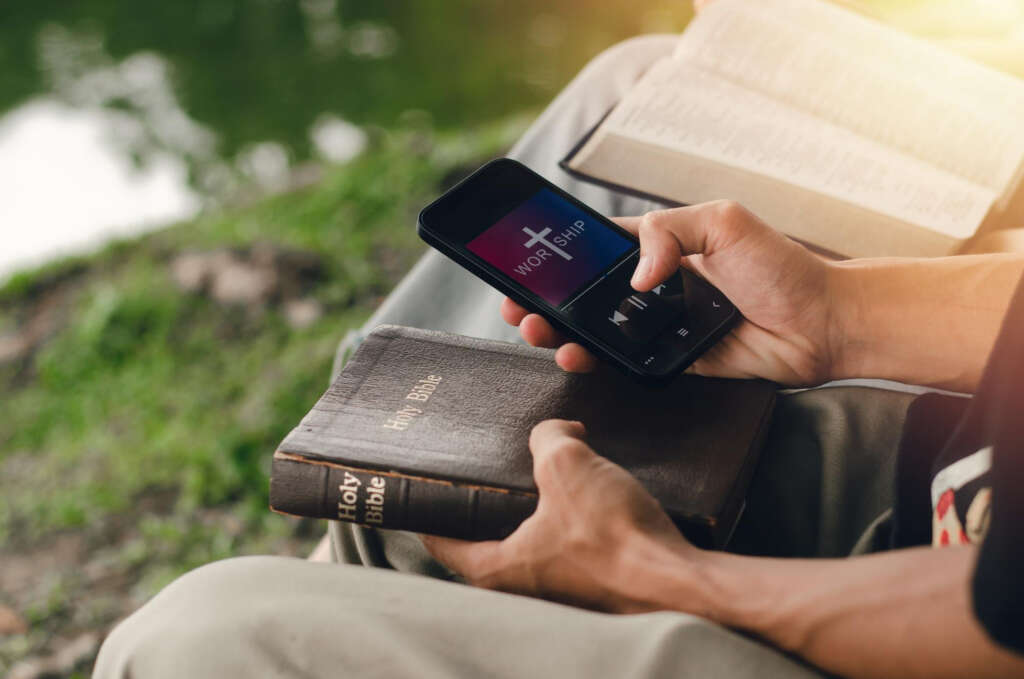
The debate has quietly emerged in faith communities around the world: Is praying through a screen as meaningful as praying in person? It’s a question worth exploring honestly – without dismissing either tradition or technology. Because the truth is, the most spiritually grounded people today aren’t choosing one over the other. They’re learning how to hold both. The Power of In-Person Prayer There is something irreplaceable about gathering in a physical space to pray. When a community kneels together, stands shoulder to shoulder, or circles in a room lit by candles, something happens that words struggle to capture. The air feels different. The shared breath of a hundred people all reaching toward the same thing creates a tangible sense of the sacred. What in-person prayer offers: Physical presence and embodiment. Our bodies matter in prayer. The act of bowing, kneeling, raising hands, or prostrating connects our spiritual intention to our physical experience in a way that screens cannot replicate. Ritual and tradition. In-person worship often follows sacred rituals passed down across centuries. These rituals carry the weight of history – and that weight is spiritually nourishing. Undivided attention. Walking into a church, mosque, or temple requires intentional presence. You leave your ordinary life at the door. That transition matters. Pastoral support. In-person faith communities provide human care – a pastor who notices when you’re struggling, an elder who prays with you personally, a friend who sits beside you in grief. These gifts are real. They are not easily replicated by technology. The Power of Digital Prayer And yet – the world has changed. Work schedules are unpredictable. Families are geographically scattered. Health challenges keep people at home. Mental health struggles make it difficult to attend communal gatherings. And for many, organized religion has felt unwelcoming or inaccessible. Digital prayer has stepped into that space – not as a replacement, but as a lifeline. What digital prayer offers: Accessibility. You can pray from a hospital bed, a night shift break room, a foreign country, or a lonely apartment at 3am. Faith is no longer limited by geography or circumstance. Consistency tools. Digital platforms provide reminders, streaks, accountability systems, and habit-building features that help people pray more regularly – even on difficult days. Global community. Digital prayer connects you with people across languages, cultures, and traditions who are praying for the same things you are. The scale of that solidarity is unlike anything in-person communities can offer. Anonymity and safety. For people who are spiritually curious but not ready to walk into a faith building – or those from marginalized groups – digital platforms offer a safe, judgment-free space to explore prayer. How Devotion Coin Bridges the Gap Devotion Coin was designed precisely for this moment – when the world needs faith but doesn’t always have access to its traditional forms. It’s a faith-based digital platform that honors prayer as a sacred act, regardless of where or how it happens. Through its app and wearable integrations, it allows users to pray in any language, from any tradition, at any time. The Live Prayer Ticker Devotion Coin’s Live Prayer Ticker shows prayers being offered around the world in real time. When you see dozens of prayers flowing across your screen – from Lagos, Manila, São Paulo, and Oslo – something shifts inside you. You are no longer praying alone. You are part of a global chorus. That’s a form of spiritual community that no single in-person congregation can provide. The Vault System Every prayer offered for the greater good flows into a shared Vault – organized by intention: Healing, Peace, Guidance, Goodwill, Youth, Unity. You can watch these Vaults grow over time, filled with the accumulated prayers of thousands of people who share your hopes for the world. There is something deeply moving about that. It transforms individual prayer into collective spiritual force. The Tri-Mint System Every completed prayer generates three outcomes: one for the person requesting, one for the person praying, and one for the shared Vault. No prayer is wasted. No prayer is invisible. Every act of devotion is recorded and honored. What Does the Research Suggest? While research on digital prayer specifically is still emerging, the evidence on prayer in general is substantial. Regular prayer – in any form – is associated with reduced anxiety, greater resilience, increased empathy, and a stronger sense of meaning and purpose. The medium appears to matter less than the intention and consistency behind it. What this suggests is that the best prayer practice is the one you can sustain – and that it doesn’t have to be either digital or in-person. It can, and perhaps should, be both. A New Model: Integrated Spiritual Practice The most spiritually grounded people today are not purists. They attend worship when they can and pray through apps when they can’t. They participate in local faith communities and connect with global ones. They value tradition and embrace the tools that help them live it more fully. Devotion Coin fits naturally into this integrated model. It isn’t asking you to leave your church, your mosque, your temple, or your prayer circle. It’s asking you to carry your faith with you – into the digital world, into your daily routine, into every moment when you reach toward something greater. The Question Isn’t Digital vs. In-Person The real question is not which kind of prayer is better. The real question is: Are you praying at all? If digital tools help more people pray more consistently – with more connection, more community, and more compassion – then they are not the enemy of faith. They are its ally. Devotion Coin was built on that conviction. And every prayer offered through it – no matter how small, no matter what language, no matter what tradition – is proof that faith finds a way. FAQs: Q: Is digital prayer as effective as in-person prayer? A: Research suggests that the intention and consistency behind prayer matter more than the medium. Digital prayer can be just
Prayer Apps vs Traditional Prayer Methods: Which Is Better?
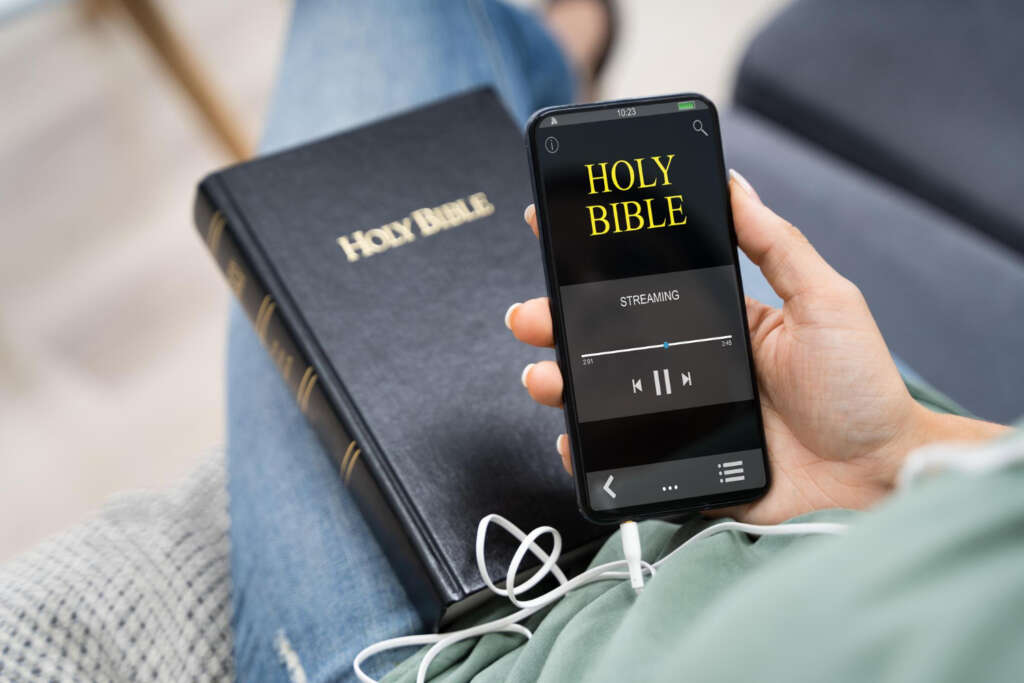
For thousands of years, humans have prayed in ways passed down from generation to generation. Spoken aloud, whispered in silence, sung in community, or written in journals – prayer has always been deeply human. Now, prayer apps are entering the picture. And a growing number of people are asking a question that would have seemed strange just a decade ago: Are prayer apps better than traditional prayer methods? The honest answer? It depends on who you are – and what prayer means to you. This guide explores both, with the depth the question deserves. What Are Traditional Prayer Methods? Traditional prayer methods are the practices that have formed the spiritual backbone of human civilization. Spoken prayer – often called liturgical or vocal prayer – is praying aloud, alone or with others. It’s the “Our Father,” the Salah, the Shema, the Om. Contemplative or silent prayer – practiced in many traditions – involves sitting in stillness and opening oneself to the divine. Meditation and centering prayer fall in this category. Journaling and written prayer – capturing thoughts, gratitude, and requests in writing as a form of intentional spiritual communication. Corporate worship – praying together in a church, mosque, synagogue, or temple. The oldest and most communal form of prayer. These methods have sustained billions of people across centuries. Their power is undeniable. What Are Prayer Apps – and What Do They Offer? Prayer apps are digital tools that support, structure, or enhance prayer practice. They range from simple daily devotional reminders to complex community platforms. The best prayer apps offer: Devotion Coin goes a step further. It’s not simply an app with prayer content – it’s a global faith ecosystem built around the act of prayer itself. Every interaction is a prayer. Every prayer creates community. And every community intention flows into a shared Vault of spiritual energy. The Case for Traditional Prayer Traditional prayer methods carry irreplaceable gifts. Embodied presence. There is something about kneeling, bowing, folding hands, or standing in a holy space that engages the body and anchors the spirit. No screen replicates that. Generational continuity. Praying the same words your grandparents prayed connects you to something ancient and enduring. That rootedness matters. Undivided attention. Without a phone in your hand, traditional prayer asks for your full, uninterrupted presence. That depth of attention can be spiritually profound. Sensory richness. Candles, incense, music, the texture of prayer beads – traditional methods engage all five senses in ways that support focused devotion. The Case for Prayer Apps Prayer apps address real challenges that traditional methods don’t always solve. Inconsistency. Many people want to pray more consistently but struggle to maintain the habit without structure. Prayer apps provide daily prompts, streaks, and gentle reminders. Isolation. For people without a local faith community – or those who feel alienated from organized religion – prayer apps offer connections that might otherwise be absent. Accessibility. Someone recovering from surgery, a caregiver who can’t leave home, or a student living abroad may not be able to attend in-person worship. Prayer apps remove that barrier. Global community. Traditional prayer is often local. Prayer apps can connect you with thousands of people around the world who are praying for the same things you are. So Which Is Better? A Balanced View Neither. Both. The question itself may be the wrong one. Traditional prayer is not being replaced by apps. It is being supplemented by them – in the same way that online sermons did not replace in-person worship, but extended its reach. The most spiritually healthy approach is likely an integration of both: Devotion Coin is designed with this integration in mind. It doesn’t ask you to abandon your tradition – it asks you to carry it with you into the digital world. What Devotion Coin Adds to Both Worlds Devotion Coin bridges the gap between ancient practice and modern life. It’s built for people who: The platform’s Tri-Mint System ensures that every prayer creates three layers of impact – personal, communal, and universal. That’s not a replacement for tradition. That’s tradition, made visible in a new medium. The Best Prayer Is the One You Actually Do At the end of the day, the most powerful prayer is not the most sophisticated one. It’s the one that gets prayed. Whether that happens on a prayer rug at dawn, in a pew on Sunday morning, in a journal by candlelight, or through an app at midnight – what matters is that you show up. That you reach toward something greater than yourself. Devotion Coin simply ensures that wherever you are, whenever you need it, a community is ready to reach back. FAQs: Q: Are prayer apps better than traditional prayer methods? A: Neither replaces the other. Prayer apps offer consistency and community; traditional methods offer depth and embodied presence. The best approach integrates both. Q: Can a prayer app replace going to church? A: No – prayer apps are supplements, not replacements. They extend your spiritual practice but don’t replace the depth of in-person community worship. Q: What makes Devotion Coin different from other prayer apps? A: Devotion Coin is a global faith ecosystem – not just a devotional app. Every prayer creates community impact through its Tri-Mint System, Vaults, and live global prayer feed.
How Does Prayer Work on Blockchain Without Money?

When people hear the word “blockchain,” they usually think of Bitcoin, cryptocurrency, and financial markets. So when a faith platform says it uses blockchain for prayer – the natural question is: How does that work, and where does money come in? The short answer: it doesn’t. At least, not in the way you might expect. Devotion Coin is a faith-based digital platform that uses blockchain technology purely to record and honor acts of prayer. There is no investment, no trading, and no monetary value of any kind. This guide explains how – and why it matters. What Is Blockchain, in Simple Terms? Blockchain is a technology that creates permanent, tamper-proof records. Think of it like a ledger – except instead of being stored in one place, it’s distributed across thousands of computers, making it nearly impossible to alter or delete. Most people associate blockchain with financial transactions. But the technology itself has no inherent connection to money. It’s simply a system for recording things permanently and transparently. That’s exactly how Devotion Coin uses it – to record acts of prayer. Why Use Blockchain for Prayer? Prayer is one of the oldest and most universal human acts. But it is also invisible – a whisper into the unknown, often with no record that it ever happened. Devotion Coin asks a profound question: What if prayer could be witnessed? What if every act of devotion left a permanent mark – not in a financial ledger, but in a spiritual one? Blockchain makes that possible. When you pray on the Devotion Coin platform, that act is recorded permanently. Not your name. Not your personal information. Just the act itself – preserved as a digital sign of faith. How Devotion Coin Works Without Financial Value Here’s what makes Devotion Coin genuinely unique among faith-tech platforms. Prayer Generates Coins – Not Cash Every time a prayer is completed on the platform, three “Devotion Coins” are created: These coins cannot be exchanged for money. They cannot be traded, sold, or used to purchase anything. They exist solely as a record – a spiritual receipt – that says: This prayer happened. This devotion was real. The Coins Carry Symbolic, Not Monetary, Value Think of Devotion Coins the way you might think of lighting a candle in a church. When you light a candle, you’re not investing in wax. You’re making a visible, intentional act of faith. The candle burns for a reason – it represents your prayer, your hope, your devotion. Devotion Coins work the same way. They represent the spiritual weight of an act of prayer. They don’t pay your bills, but they carry something more lasting: evidence that you reached out in faith. What Are the Vaults? The Vault is one of the most meaningful features of Devotion Coin. Every prayer dedicated to the greater good goes into a shared community Vault. These Vaults are organized by intention – Peace, Healing, Guidance, Goodwill, Youth, Unity – and grow as more prayers are offered. The Vault is a visual, real-time representation of collective spiritual energy. You can watch it grow as people across the world contribute prayers to it. This transforms prayer from a solitary act into a shared force – a river of intention flowing toward the same destination. Is Devotion Coin Safe and Private? Yes. Devotion Coin is built around anonymity and humility. There are no public profiles. There are no social metrics. There is no way to compare your spiritual engagement with someone else’s. The platform deliberately removes the competitive elements that corrupt social media – and replaces them with quiet, honest devotion. Your prayer is private. Your intention is personal. What becomes public is only the aggregate – the shared sense that the world is praying, together. Why This Matters for Faith Communities Many people in faith communities have felt skeptical of technology’s role in spiritual life. Social media can distort faith into performance. Apps can reduce devotion to gamification. Devotion Coin is different by design. It uses a powerful technology – blockchain – in service of an ancient practice. It doesn’t commercialize prayer. It honors it. For faith communities looking to embrace digital tools without compromising spiritual integrity, Devotion Coin represents a genuinely new kind of platform. Blockchain in Service of the Soul Technology is not inherently spiritual or secular. It is a tool – and like all tools, its value depends on what it’s used for. Devotion Coin uses blockchain to protect, preserve, and dignify prayer. To make the invisible visible. To remind the world – and individual believers – that acts of faith matter, even when no one else can see them. There is no money in Devotion Coin. There is only devotion. And in the quiet arithmetic of faith, that is more than enough. FAQs: Q: How does Devotion Coin use blockchain for prayer? A: Devotion Coin records each act of prayer permanently on a blockchain ledger – not for financial purposes, but as a spiritual record of devotion. Q: Do Devotion Coins have any monetary value? A: No. Devotion Coins cannot be traded, sold, or exchanged for money. They are symbolic spiritual records, like lighting a digital candle in a global chapel. Q: What is the Devotion Coin Vault? A: The Vault is a shared community pool of prayer intentions – organized by themes like Healing, Peace, and Unity – that grows as users contribute prayers for the greater good.