How to Overcome Digital Distractions During Prayer

You may sit down to pray with a clear intention, only to be interrupted by a notification, message, or the temptation to check social media. Before you realize it, your attention has shifted away from the moment you wanted to protect. Learning how to overcome digital distractions during prayer is not necessarily about removing technology from your life. It is about creating boundaries that allow you to use digital tools intentionally without letting them compete with your spiritual practice. With a few practical changes, you can make prayer time feel more focused and establish a routine that works with your everyday responsibilities. Why Do Digital Distractions Interrupt Prayer? Smartphones make communication, information, and entertainment readily available. That convenience can also make it tempting to switch activities whenever a notification appears or a new message arrives. Even a brief interruption may pull your attention away from prayer. After checking one message, you might open another app or begin scrolling without intending to spend more time on your phone. Other factors can make concentration difficult, too. Stress, fatigue, a busy environment, and thoughts about unfinished tasks can all compete for attention. Recognizing these challenges is the first step toward creating a more focused prayer routine. Does Technology Always Make Prayer More Difficult? No. Technology can be a source of distraction, but it can also support a spiritual routine. A calendar reminder may help you remember to pray. A digital platform may provide access to prayer-related activities or community participation. A journal app may offer a convenient place to record reflections. The important distinction is how you use the device. Technology is helpful when it supports your intention and less helpful when unrelated activity repeatedly interrupts it. How to Prepare for Distraction-Free Prayer 1. Choose a Time That Fits Your Routine Consider when you are most likely to have a quiet moment. You might prefer the morning, a break during the day, or the period before going to bed. Choosing a realistic time can reduce the pressure to fit prayer into an already crowded schedule. If your day changes frequently, allow yourself some flexibility. 2. Find a Comfortable Place Choose a place where you can pause with as few interruptions as reasonably possible. It might be a quiet corner, a chair, an outdoor space, or another setting that feels appropriate for your practice. You do not need a specially designed prayer room. The purpose is to create an environment that helps you focus. 3. Decide What You Need Before You Begin If you use a prayer app, journal, or devotional resource, prepare it before starting. Avoid opening unrelated apps once you begin your session. Knowing what you need in advance can reduce the number of decisions you make during prayer. 4. Set a Realistic Time Limit Some people find it easier to focus when they have a clear starting point and a manageable duration. You might begin with a few minutes and adjust according to your preferences. A timer can be useful if checking the clock repeatedly distracts you. The duration is a personal choice, not a measure of spiritual worth. Practical Ways to Reduce Digital Distractions During Prayer Silence Unnecessary Notifications Before praying, consider activating your device’s focus mode or do-not-disturb setting. You can also silence notifications from social media, games, and other apps that are unrelated to your practice. If you need to remain available for urgent calls, use settings that allow important contacts to reach you. Keep Your Phone Out of Reach If you do not need a device for prayer, place it somewhere you cannot easily reach while sitting or standing in your prayer space. Even turning the screen face down or placing the phone across the room can help reduce the temptation to check it. If you do need your phone, open the relevant tool first and avoid switching between apps. Separate Prayer From Social Media Try not to scroll through social media immediately before prayer. Moving directly from a fast stream of messages and content into quiet reflection may make it harder to settle your attention. Instead, establish a simple sequence: finish your current digital activity, silence unnecessary notifications, put the device aside when possible, and begin praying. Create a Familiar Prayer Space Using the same place regularly can help establish a routine. Over time, that location may become a practical cue to pause and focus. Keep the setup simple. You do not need special equipment; the goal is to create an environment that suits your beliefs and circumstances. Use Digital Tools Only When They Help A reminder can help you remember to pray, and a relevant app may provide useful resources. However, more features do not necessarily make the experience better. Choose tools that support your practice and remove or silence features that create unnecessary distractions. What Should You Do When Your Attention Wanders? Distraction is a common experience. It does not mean your entire prayer session has been wasted. When you notice that your attention has shifted, acknowledge it and gently return to your prayer. You do not need to criticize yourself or start over every time your mind wanders. If a notification interrupts you, decide whether it requires immediate attention. If it can wait, return to the practice and continue. The aim is not to guarantee perfect concentration. It is to create conditions that make focus easier and practice returning to the moment when distractions occur. How Can Digital Prayer Platforms Be Used Intentionally? Digital prayer platforms can support faith-related activities, but they should be used with the same boundaries as other technology. Before opening an app, know what you intend to do. If your goal is to review a prayer intention, focus on that activity rather than exploring unrelated features. You can also schedule a separate time for online community participation. This allows you to benefit from digital connection without feeling that every prayer session needs to involve a screen. For a comparison of digital and physical approaches, explore [Digital Prayer vs.
The Fastest Way to Start Praying Daily Using Technology

Want to start praying every day but struggle to make time for it? A busy schedule, constant notifications, and competing responsibilities can make it difficult to turn that intention into a regular habit. One practical way to begin is to keep the routine simple and use technology to support it. A calendar reminder, a phone’s focus settings, or a prayer app may help you create a predictable moment for prayer without having to reorganize your entire day. The goal is not to make prayer rushed or mechanical. It is to remove unnecessary barriers so you can begin with a small, meaningful practice. What Is the Simplest Way to Start Praying Daily? Start by choosing one realistic time, deciding on a manageable routine, and creating a reminder if you need one. For example, you could set aside a few minutes after waking up, during a break, or before going to bed. Choose a moment that fits your current schedule rather than waiting for the perfect conditions. A straightforward starting plan looks like this: You can develop the habit gradually. There is no need to begin with a complicated system or a lengthy session. How Can Technology Help You Start a Daily Prayer Habit? Use a Reminder to Create a Clear Starting Point A reminder can help you remember your intention when daily responsibilities become distracting. Choose a time that makes sense for your routine. If you usually have a quiet moment before breakfast, for example, set a reminder around that part of the morning. The reminder should prompt you to pause, not pressure you to follow a perfect schedule every day. Connect Prayer to an Existing Habit Technology works best when it supports a routine that already fits your life. You could associate prayer with waking up, preparing for work, taking a lunch break, or getting ready for bed. A digital reminder can reinforce that connection, but the existing habit provides a practical cue for remembering. Keep the Routine Simple You do not need several apps, multiple notifications, or a detailed tracking system to get started. Choose one tool if it helps. The fewer unnecessary steps you have to complete, the easier it may be to begin. For some people, a basic calendar reminder is enough. Others may prefer a prayer app that provides relevant devotional activities. Create a Quiet Digital Environment Technology can also create distractions. Before praying, consider silencing unrelated notifications or enabling your device’s focus mode. If you use your phone to access prayer-related content, open the relevant tool and avoid switching to social media or unrelated messages. This helps create a clear boundary between using technology to begin prayer and allowing it to interrupt the practice. How Long Should a Daily Prayer Session Be? There is no universal duration that works for everyone. When you are developing a new routine, a short session may feel more manageable than a demanding commitment. You can begin with a few minutes and adjust according to your circumstances and beliefs. Some people prefer a longer period, while others may have different needs on different days. The important thing is to choose a routine that is sustainable and meaningful to you. Do not treat the length of a session as the only measure of its value. How to Use Technology Without Making Prayer Feel Mechanical Digital tools can make it easier to remember a practice, but they cannot create personal intention on your behalf. To keep your routine meaningful: Technology should make room for prayer, not become a substitute for it. A Practical Daily Prayer Routine for Beginners Here is one simple example you can adapt to your own schedule. Morning: Set an Intention Choose a quiet moment before beginning the day’s responsibilities. If useful, use a reminder to signal that it is time to pause. You might begin with gratitude, a personal prayer, or another form of reflection consistent with your beliefs. During the Day: Take a Short Pause If your schedule allows, set aside another moment during a break. It does not have to be a formal session; the purpose is to create an intentional opportunity for prayer or reflection. Evening: Reflect on the Day Before going to bed, consider taking a few minutes to reflect on your experiences, concerns, or hopes for tomorrow. You can use a journal if writing helps you process your thoughts. You can also keep the practice simple and private. These are suggestions, not requirements. Adapt the routine to your faith tradition and daily circumstances. How Devotion Coin Connects Technology and Digital Prayer Devotion Coin is a faith-focused digital ecosystem built around digital devotion and spiritual connection. It explores the use of blockchain technology as part of its digital infrastructure, while keeping the focus on faith-related engagement rather than financial investment or trading. For people exploring digital approaches to prayer, Devotion Coin represents another way technology can intersect with spiritual practices. Before using any platform, review its current features and privacy information to understand whether it supports the routine you want to develop. To understand how digital and traditional approaches can work together, explore [Digital Prayer vs. In-Person Prayer: What Works Best?]. What If You Miss a Day? Missing a day does not mean you have to abandon the routine. Consider what made it difficult to follow your plan. Perhaps the reminder appeared at an inconvenient time, your schedule changed, or your initial commitment was too demanding. Adjust the routine and begin again when you can. Consistency develops through repeated effort and realistic expectations, not through never experiencing interruptions. Conclusion: Start With One Meaningful Moment The fastest practical way to start praying daily using technology is to make the first step easy to remember and repeat. Choose a suitable time, use a simple reminder if necessary, and begin with a manageable routine. As the practice becomes familiar, you can adjust it to fit your needs. Technology may help you remember to pause, but the intention behind prayer remains personal. Devotion Coin explores the relationship
Prayer Journaling vs. Prayer Apps: Which Is Better?

Developing a consistent prayer practice does not always require a complicated routine. Sometimes, a notebook and a few quiet minutes are enough. Other people prefer digital tools that help them organize prayer intentions, set reminders, or access faith-related activities through a smartphone. This creates a common question: prayer journaling vs. prayer apps, which approach is better? Both can support a more intentional prayer life, but they serve different needs. Understanding their advantages and limitations can help you choose the approach that fits your routine, personal preferences, and spiritual goals. What Is the Difference Between Prayer Journaling and Prayer Apps? Prayer journaling involves writing down prayers, gratitude, personal intentions, questions, or spiritual reflections. It can be done in a notebook, diary, or another physical writing format. Prayer apps are digital tools designed to support prayer and devotional activities. Depending on the platform, they may include reminders, spaces to record intentions, devotional resources, or opportunities to engage with a broader community. The main difference is how each tool supports the practice. Journaling creates a personal space for writing and reflection, while apps can provide digital access, organization, and additional forms of participation. Neither approach is automatically better for everyone. What Are the Benefits of Prayer Journaling? It Creates Space for Personal Reflection Writing can encourage you to slow down and put your thoughts into words. You might record something you are grateful for, reflect on a difficult experience, or write a prayer for someone you care about. This process can help make your practice more personal by giving you space to explore your thoughts without needing to share them with anyone else. It Provides a Record of Your Journey A journal allows you to revisit previous entries. Over time, you may notice changes in your concerns, priorities, or reflections. For some people, this record provides a meaningful way to look back on their spiritual journey. You can organize entries by date, theme, or personal preference without relying on a digital platform. It Can Reduce Screen Time If you already spend much of the day using a phone or computer, writing in a physical notebook can create a break from screens. A journal does not need internet access, notifications, or an account. It can be used in a quiet setting whenever you have time to reflect. What Are the Limitations of Prayer Journaling? Journaling requires you to have a notebook and writing materials available, and it may take time to record your thoughts. If you prefer digital organization or often forget to make time for prayer, a notebook alone may not provide the reminders or structure you need. Its private nature can also mean that it does not offer the same opportunities for community participation that some digital platforms provide. What Are the Benefits of Prayer Apps? They Offer Convenient Digital Access A prayer app can make certain faith-related activities available through a device you already use. Depending on its features, you may be able to access devotional resources or manage prayer-related information without carrying a physical journal. This convenience may be especially useful when you travel or move between different environments. They Can Support Consistency Some apps provide reminders or other tools that help users return to a routine. A reminder can serve as a prompt to pause and pray during a busy day. However, reminders should remain supportive. A missed notification or interrupted streak should not become a source of unnecessary guilt. They May Offer Community Participation Some prayer apps include features that allow users to share intentions or participate in collective spiritual activities. For people who want both personal devotion and connection with others, these options may provide an additional dimension that a private journal does not offer on its own. What Are the Limitations of Prayer Apps? Digital apps may introduce distractions, notifications, or features that do not support your main goal. Their availability and usefulness also depend on the platform, device compatibility, and any account or privacy requirements. Before choosing an app, review its current features and privacy practices. Do not assume that every app offers the same tools or handles personal information in the same way. Prayer Journaling vs. Prayer Apps: A Quick Comparison Aspect Prayer Journaling Prayer Apps Main purpose Personal writing and reflection Digital support for prayer and related activities Accessibility Requires a notebook or writing materials Usually accessed through a compatible digital device Reminders Must be managed separately May offer reminders, depending on the app Privacy Physical journal must be stored securely Depends on the platform’s data and privacy practices Community Primarily a personal activity Some apps support community participation Screen time Can provide a break from screens Requires device use Best suited for People who enjoy writing and private reflection People who prefer digital access, reminders, or community tools Can You Use Prayer Journaling and Prayer Apps Together? Yes. You do not have to choose only one approach. For example, you could use a digital reminder to establish a regular time for prayer and then write in a notebook when you want to reflect more deeply. You might also use a prayer app to engage with a community while keeping personal reflections in a private journal. This combination can offer structure without sacrificing the quiet and personal nature of writing. Example: A Simple Morning Prayer Routine Imagine you want to spend a few minutes in prayer before starting work or school. If you prefer journaling, you could write a short prayer or list something you appreciate. If you prefer a digital approach, you could use a reminder to prompt your practice and then spend a few quiet minutes reflecting. Both routines can serve the same intention. The important part is choosing a method you can maintain comfortably. How to Choose the Right Approach for Your Needs Start by identifying what makes prayer easier or more difficult for you. Also consider privacy, convenience, and whether the tool encourages meaningful engagement rather than simply increasing screen time. The best approach is not necessarily the
Why Do People Use Apps for Spiritual Growth?
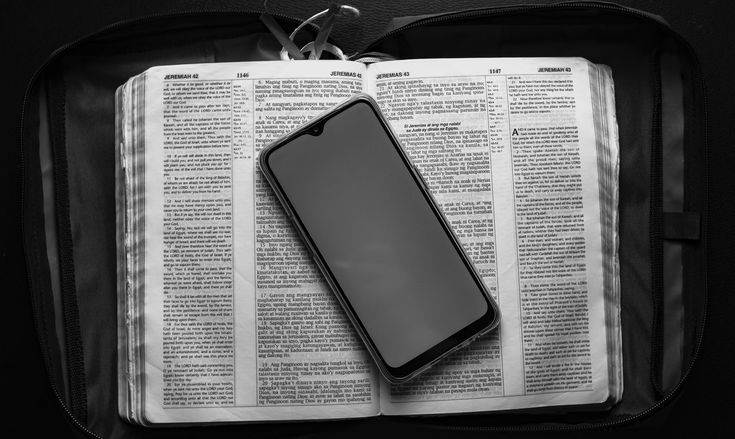
Spiritual growth has always been a personal journey. For some people, it means developing a consistent prayer routine. For others, it involves reflection, gratitude, or finding more time to connect with their beliefs. However, maintaining these practices can be challenging when daily responsibilities compete for attention. This is one reason why apps for spiritual growth have become an option for people who want to incorporate spirituality into their everyday lives. Digital tools offer new ways to approach personal reflection, establish routines, and stay connected with faith in a world where smartphones are already part of daily life. But what makes these apps useful, and can technology genuinely support a meaningful spiritual journey? What Are Apps for Spiritual Growth? Apps for spiritual growth are digital tools designed to support personal reflection, faith-related activities, and spiritual routines. Depending on their purpose, they may help users organize prayer time, explore devotional content, reflect on personal experiences, or connect with broader faith communities. Unlike traditional practices that may depend on physical books, printed materials, or scheduled gatherings, digital tools can be accessed through a smartphone. This can make spiritual activities easier to incorporate into different schedules and lifestyles. However, an app is only a tool. It does not replace personal belief, meaningful reflection, or the human relationships that often form an important part of spiritual life. Why Are People Turning to Spiritual Growth Apps? 1. They Make Daily Practices Easier to Maintain Consistency can be difficult when a person’s schedule changes from day to day. Work, school, family responsibilities, and other commitments can make it easy to postpone personal spiritual activities. A spiritual growth app can provide a convenient way to return to those practices during a break, before starting the day, or at another suitable moment. Small, repeatable actions may help people create a routine that fits their lives. 2. They Offer Convenient Access to Spiritual Activities People already use smartphones to communicate, learn, and organize their schedules. Using the same device for spiritual reflection can make the practice feel more accessible. Digital tools can also reduce the need to carry multiple physical materials. Users can explore the activities available in an app whenever they have the time and a suitable environment. Convenience, however, should support the quality of a spiritual practice rather than become its main purpose. 3. They Encourage Personal Reflection Spiritual growth often involves examining personal values, experiences, and decisions. Setting aside time for reflection can help people become more aware of their thoughts and intentions. Some digital platforms provide a dedicated space for devotional activities or personal reflection. This can help users make room for a practice that might otherwise be overlooked during a busy day. 4. They Create New Ways to Connect Spirituality can be personal, but it can also involve community. Digital platforms offer additional ways for people to participate in faith-related activities and feel connected beyond their immediate surroundings. For people who cannot always attend in-person gatherings, digital engagement may complement existing practices. It should not be assumed to replace every benefit of face-to-face participation. Can Technology Support Meaningful Spiritual Growth? Technology can make spiritual activities more accessible, but meaningful growth depends on how people use it. Opening an app every day does not automatically create a deeper connection with one’s beliefs. What matters is the intention behind the activity, the attention given to it, and whether it supports the user’s broader spiritual values. To use digital tools more intentionally: These habits can help keep technology in its proper role: supporting a personal journey rather than defining it. How Devotion Coin Fits Into Digital Spirituality Devotion Coin is a faith-focused digital ecosystem designed to support digital devotion and spiritual connection. It explores how blockchain technology can provide infrastructure for digital faith-related engagement, while keeping the emphasis on spirituality rather than financial speculation. For people interested in digital devotion, Devotion Coin represents an example of how technology can be used to explore new ways of engaging with spiritual practices. As with any digital platform, users should review its available features and decide whether they fit their personal beliefs and preferences. The Future of Spiritual Growth in a Digital World Digital spirituality will continue to develop as people look for ways to combine familiar practices with modern technology. Blockchain-based systems and other digital tools may introduce additional ways to participate in online faith communities and devotional experiences. Still, technology alone cannot create spiritual meaning. The most useful digital experiences will be those that respect personal beliefs, encourage intentional participation, and support rather than distract from a person’s values. Conclusion People use apps for spiritual growth because digital tools can make reflection, devotion, and faith-related activities easier to access and incorporate into daily routines. Their value depends on whether they help users practice with greater intention, not simply on how often an app is opened. If you are exploring digital devotion, discover Devotion Coin and learn more about how technology can support new forms of spiritual connection. Frequently Asked Questions What is an app for spiritual growth? It is a digital tool designed to support activities such as prayer, reflection, devotion, or other personal spiritual practices. Can a spiritual growth app replace traditional religious practices? Not necessarily. These apps can complement personal and community practices, but they do not automatically replace the meaning or relationships associated with in-person participation. How can I choose a spiritual growth app? Consider its purpose, available features, privacy practices, ease of use, and whether its approach aligns with your beliefs. Is digital spirituality only for younger people? No. Digital tools may appeal to people of different ages, depending on their comfort with technology and their individual needs.
Best Prayer Groups Near Me for Daily Spiritual Growth

What does it take to build a consistent prayer life? For many people, the answer is simple: community. When we pray with others – when our intentions are witnessed, held, and echoed back – our spiritual habits become stronger, more resilient, and more meaningful. If you’ve been searching for the best prayer groups near me, you’re already on the right path. This guide will walk you through what to look for, where to find them, and how a platform like Devotion Coin is changing what it means to pray together in the digital age. Why Prayer Groups Matter for Daily Spiritual Growth Praying alone is powerful. But praying with others is transformative. Studies in psychology and theology alike have found that regular communal prayer: The challenge? Finding the right group – one that fits your schedule, your faith tradition, and your personal style of devotion. What Makes a Great Prayer Group? Not all prayer groups are created equal. The best ones share a few common traits. Consistency The best prayer groups meet regularly – daily, weekly, or on a predictable schedule. Consistency is what transforms prayer from an occasional act into a living habit. Inclusivity Whether you’re a long-time believer or someone exploring spirituality for the first time, the best prayer groups make space for everyone. They don’t demand perfection – they invite participation. A Safe Space for Vulnerability Prayer often involves sharing our deepest fears, needs, and gratitude. The best groups create an environment of trust and confidentiality – where what is shared in prayer, stays in prayer. Accountability The best groups gently encourage you to show up – not through pressure, but through connection. Knowing someone is expecting your prayer, or praying for you, makes it easier to stay committed. Types of Prayer Groups to Consider Church-Based Small Groups Many churches offer dedicated prayer circles or home groups. These typically meet weekly and follow a structured format – scripture, intention, intercession, and gratitude. Search “[your denomination] prayer group near me” to find local options. Most churches post schedules on their websites or Google profiles. Hospital and Community Chaplaincy Groups Chaplain-led groups at hospitals, hospices, and community centers are interfaith and open to all. They often focus on healing, peace, and support for those in crisis. Women’s, Men’s, and Youth Prayer Groups Many faith communities organize prayer groups by demographic – helping people connect with others at similar life stages. Digital Prayer Groups – The New Frontier For those with irregular schedules, social anxiety, or simply a desire for global connection, digital prayer groups offer something traditional groups cannot: 24/7 availability and worldwide reach. Devotion Coin is at the forefront of this movement. How Devotion Coin Supports Daily Spiritual Growth Devotion Coin is a faith-based digital platform that turns every prayer into a meaningful act of community. Through its app and wearable integrations, users can: What makes Devotion Coin different from a standard prayer app is its Tri-Mint System. Every completed prayer generates three spiritual outcomes – one for the person requesting, one for the one praying, and one dedicated to a shared community Vault. Your prayer never exists in isolation. It always ripples outward. Building a Daily Prayer Habit with Devotion Coin Daily spiritual growth requires daily practice. Devotion Coin is designed to make that practice gentle, accessible, and meaningful. Instead of complicated rituals or lengthy sessions, it invites users into small, consistent acts of prayer – the kind that, over time, shape a soul. You don’t need a specific religion. You don’t need to pray perfectly. You just need to show up – and Devotion Coin shows up with you. The Best Prayer Group Might Already Be in Your Pocket Whether you’re looking for a local prayer circle or a global digital community, the goal is the same: to grow spiritually, consistently, and with others who care. The best prayer groups – whether in a living room, a church hall, or a digital platform – share one thing in common: they remind you that you are not alone. Devotion Coin was built on that truth. And every prayer on the platform is a small, sacred proof of it. FAQs: Q: What is the best prayer group for daily spiritual growth? A: The best prayer group is one that meets consistently, welcomes all levels of faith, and provides accountability. Devotion Coin offers a global digital alternative available every day. Q: How do prayer groups help spiritual growth? A: Communal prayer builds consistency, empathy, and a sense of spiritual purpose – all of which accelerate personal faith development. Q: Can Devotion Coin replace a local prayer group? A: Devotion Coin complements local prayer groups by providing 24/7 global connection, interfaith inclusion, and daily spiritual structure.