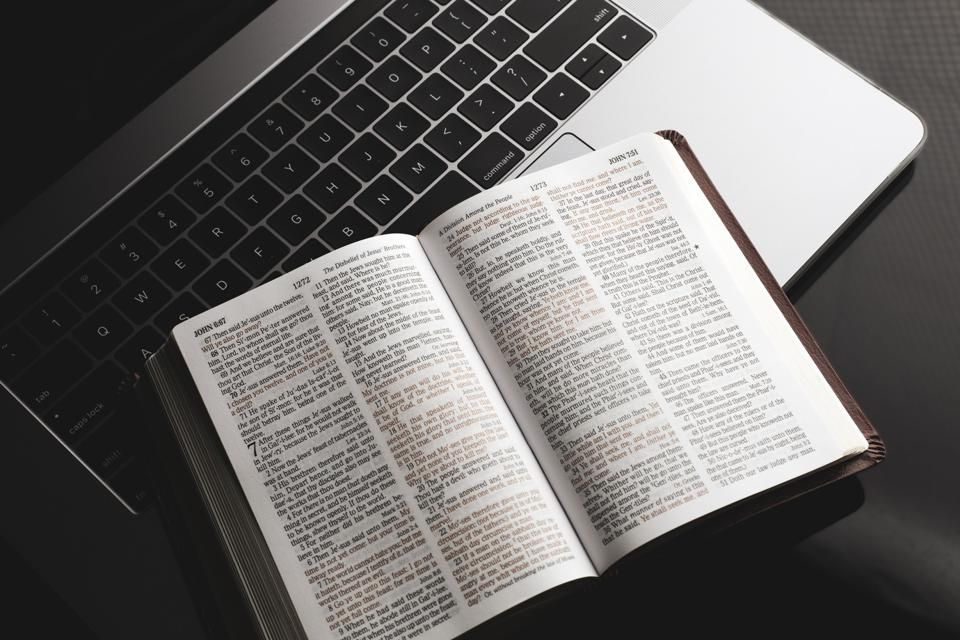
Developing a consistent prayer practice does not always require a complicated routine. Sometimes, a notebook and a few quiet minutes are enough. Other people prefer digital tools that help them organize prayer intentions, set reminders, or access faith-related activities through a smartphone.
This creates a common question: prayer journaling vs. prayer apps, which approach is better?
Both can support a more intentional prayer life, but they serve different needs. Understanding their advantages and limitations can help you choose the approach that fits your routine, personal preferences, and spiritual goals.
What Is the Difference Between Prayer Journaling and Prayer Apps?
Prayer journaling involves writing down prayers, gratitude, personal intentions, questions, or spiritual reflections. It can be done in a notebook, diary, or another physical writing format.
Prayer apps are digital tools designed to support prayer and devotional activities. Depending on the platform, they may include reminders, spaces to record intentions, devotional resources, or opportunities to engage with a broader community.
The main difference is how each tool supports the practice. Journaling creates a personal space for writing and reflection, while apps can provide digital access, organization, and additional forms of participation.
Neither approach is automatically better for everyone.
What Are the Benefits of Prayer Journaling?
It Creates Space for Personal Reflection
Writing can encourage you to slow down and put your thoughts into words. You might record something you are grateful for, reflect on a difficult experience, or write a prayer for someone you care about.
This process can help make your practice more personal by giving you space to explore your thoughts without needing to share them with anyone else.
It Provides a Record of Your Journey
A journal allows you to revisit previous entries. Over time, you may notice changes in your concerns, priorities, or reflections.
For some people, this record provides a meaningful way to look back on their spiritual journey. You can organize entries by date, theme, or personal preference without relying on a digital platform.
It Can Reduce Screen Time
If you already spend much of the day using a phone or computer, writing in a physical notebook can create a break from screens.
A journal does not need internet access, notifications, or an account. It can be used in a quiet setting whenever you have time to reflect.
What Are the Limitations of Prayer Journaling?
Journaling requires you to have a notebook and writing materials available, and it may take time to record your thoughts. If you prefer digital organization or often forget to make time for prayer, a notebook alone may not provide the reminders or structure you need.
Its private nature can also mean that it does not offer the same opportunities for community participation that some digital platforms provide.
What Are the Benefits of Prayer Apps?
They Offer Convenient Digital Access
A prayer app can make certain faith-related activities available through a device you already use. Depending on its features, you may be able to access devotional resources or manage prayer-related information without carrying a physical journal.
This convenience may be especially useful when you travel or move between different environments.
They Can Support Consistency
Some apps provide reminders or other tools that help users return to a routine. A reminder can serve as a prompt to pause and pray during a busy day.
However, reminders should remain supportive. A missed notification or interrupted streak should not become a source of unnecessary guilt.
They May Offer Community Participation
Some prayer apps include features that allow users to share intentions or participate in collective spiritual activities.
For people who want both personal devotion and connection with others, these options may provide an additional dimension that a private journal does not offer on its own.
What Are the Limitations of Prayer Apps?
Digital apps may introduce distractions, notifications, or features that do not support your main goal. Their availability and usefulness also depend on the platform, device compatibility, and any account or privacy requirements.
Before choosing an app, review its current features and privacy practices. Do not assume that every app offers the same tools or handles personal information in the same way.
Prayer Journaling vs. Prayer Apps: A Quick Comparison
| Aspect | Prayer Journaling | Prayer Apps |
| Main purpose | Personal writing and reflection | Digital support for prayer and related activities |
| Accessibility | Requires a notebook or writing materials | Usually accessed through a compatible digital device |
| Reminders | Must be managed separately | May offer reminders, depending on the app |
| Privacy | Physical journal must be stored securely | Depends on the platform’s data and privacy practices |
| Community | Primarily a personal activity | Some apps support community participation |
| Screen time | Can provide a break from screens | Requires device use |
| Best suited for | People who enjoy writing and private reflection | People who prefer digital access, reminders, or community tools |
Can You Use Prayer Journaling and Prayer Apps Together?
Yes. You do not have to choose only one approach.
For example, you could use a digital reminder to establish a regular time for prayer and then write in a notebook when you want to reflect more deeply. You might also use a prayer app to engage with a community while keeping personal reflections in a private journal.
This combination can offer structure without sacrificing the quiet and personal nature of writing.
Example: A Simple Morning Prayer Routine
Imagine you want to spend a few minutes in prayer before starting work or school.
If you prefer journaling, you could write a short prayer or list something you appreciate. If you prefer a digital approach, you could use a reminder to prompt your practice and then spend a few quiet minutes reflecting.
Both routines can serve the same intention. The important part is choosing a method you can maintain comfortably.
How to Choose the Right Approach for Your Needs
Start by identifying what makes prayer easier or more difficult for you.
- Choose journaling if you enjoy writing, want a private record of your reflections, or prefer to spend less time on a screen.
- Choose a prayer app if digital reminders, convenient access, or community features would support your routine.
- Combine both if you want digital structure and a separate space for deeper reflection.
Also consider privacy, convenience, and whether the tool encourages meaningful engagement rather than simply increasing screen time.
The best approach is not necessarily the one with the most features. It is the one that helps you return to prayer with intention.
How Devotion Coin Fits Into Digital Prayer
Devotion Coin is a faith-focused digital ecosystem that explores digital devotion and spiritual connection through technology, including blockchain infrastructure.
Its approach focuses on faith-related engagement rather than presenting blockchain as a financial investment or trading purpose. For people interested in digital prayer, it represents one way technology can be incorporated into a broader spiritual experience.
If you are considering a digital platform, review its current features, privacy information, and terms before using it. A digital tool can complement journaling or traditional prayer practices, but it does not need to replace them.
For further context, read [Digital Prayer vs. In-Person Prayer: What Works Best?].
Conclusion: Choose the Tool That Supports Your Practice
Prayer journaling and prayer apps can both support a meaningful prayer routine. Journaling offers a personal space for writing and reflection, while apps may provide convenient access, reminders, and opportunities for digital participation.
The right choice depends on your habits and needs. You may prefer one approach or find that combining both provides a better balance.
Explore Devotion Coin to learn more about digital devotion and the ways technology can support spiritual connection.
Frequently Asked Questions
Is prayer journaling better than using a prayer app?
Neither is universally better. Journaling may suit people who prefer writing and private reflection, while apps may suit those who want digital access or reminders.
What should I write in a prayer journal?
You can write prayers, gratitude, personal intentions, questions, or reflections on your experiences. The format is personal and can be adapted to your beliefs.
Can a prayer app replace a prayer journal?
It can replace some organizational functions, depending on the app, but it may not offer the same experience as writing by hand. You can also use both tools together.
Are prayer apps safe for personal reflections?
Safety depends on the specific platform. Review its privacy policy and understand how your information is collected, stored, and shared before entering sensitive details.
How can I stay consistent with prayer?
Choose a manageable routine, connect it to an existing daily habit, and use reminders or journaling if they help. Focus on sustainability rather than perfection.