Where to Find Prayer Groups in Texas

If you are wondering where to find prayer groups in Texas, a good starting point is to look at local places of worship, community organizations, small faith groups, and online prayer communities. The best option depends on where you live, your faith tradition, your schedule, and whether you prefer meeting in person or participating digitally. Texas covers a large geographic area, so a prayer group that works well for someone in Houston may not be practical for someone in El Paso or a smaller town. Starting with your local area and preferred type of gathering can make your search more manageable. This guide explains where to look, how to evaluate a group, and how online communities can complement local spiritual connections. What Are Prayer Groups? Prayer groups are communities of people who come together to pray, share spiritual intentions, reflect on faith, or encourage one another. Some meet regularly in person, while others connect through online gatherings or digital platforms. The structure varies from one group to another. A group may gather for a short prayer before work, organize a weekly meeting, or focus on prayer intentions and mutual support. Some groups are associated with a particular religious tradition or place of worship. Others may have a broader spiritual focus. Understanding the group’s purpose can help you find a community that fits your beliefs and expectations. Where Can You Find Prayer Groups in Texas? 1. Local Churches and Places of Worship Local places of worship can be a practical starting point if you prefer an in-person prayer group. Visit their official websites or contact their offices to ask about prayer meetings, small groups, community gatherings, or other opportunities to participate. Some publish their schedules online, while others may provide information through newsletters or community announcements. Before attending, confirm the meeting time, location, registration requirements, and whether visitors are welcome. 2. Faith-Based Community Organizations Some religious or spiritual organizations host prayer gatherings, discussion groups, or community activities outside their regular services. Search for organizations in your city or neighborhood and review their official information. You can also ask whether they have groups for newcomers, young adults, families, or people seeking a particular type of spiritual community. The available options will vary by location and tradition. 3. Small Groups and Community Gatherings Smaller prayer groups may meet in homes, community spaces, campuses, or other local settings. These groups can provide a more personal environment for shared prayer and discussion. To find them, look at official community announcements, ask people you trust, or contact a local faith organization. Confirm the group’s expectations and meeting arrangements before attending. 4. University and Workplace Faith Groups If you are a student or working in a large organization, you may be able to find a faith-based group through campus organizations, employee communities, or other established networks. Check the institution’s official directory or community resources. Availability will depend on the specific campus or workplace, so do not assume that every institution offers a prayer group. 5. Online Prayer Communities If you cannot find a suitable local group or have difficulty attending regular meetings, online prayer communities may offer another option. These groups may use video calls, websites, messaging platforms, or dedicated applications to support prayer and spiritual connection. Some meet at set times, while others allow participants to engage at different times. Online participation can also complement an in-person group, giving you another way to stay connected between meetings. How to Search for Prayer Groups in Your Part of Texas Because Texas is geographically large, start by narrowing your search to your city, neighborhood, or nearby area. Useful search phrases include: These are search suggestions, not verified listings of currently active groups. Use current official websites or contact the organizers to confirm that a group exists and is accepting participants. You can also narrow results by adding terms such as “daily,” “weekly,” “young adults,” “families,” or the name of your preferred faith tradition. How to Choose the Right Prayer Group Finding a group is only the first step. It is also important to decide whether the community is appropriate for your beliefs, schedule, and comfort level. Check the Meeting Schedule and Location Consider how often the group meets and how long it takes to get there. A group that fits your routine may be easier to attend consistently. If travel is difficult, ask whether online participation is available or whether there are other groups closer to your area. Understand the Group’s Faith Tradition Some prayer groups are organized around a specific religious tradition, while others take a broader spiritual approach. Review the group’s description and ask questions if its purpose is unclear. You should understand what kind of gathering you are joining before attending. Look for a Respectful Environment A supportive group should communicate its expectations clearly and treat participants respectfully. Be cautious if a group pressures you to disclose private information, make financial contributions you do not understand, or accept demands that make you uncomfortable. You should be able to ask reasonable questions before deciding whether to participate. Confirm the Details Before Attending Schedules and meeting locations can change. Verify the information through an official website or organizer rather than relying only on an old post or an unconfirmed listing. If the gathering is hosted in a private location, understand the arrangements and use your own judgment about personal safety. In-Person Prayer Groups vs. Online Prayer Communities Both formats can support spiritual connection, but they offer different experiences. Aspect In-Person Prayer Groups Online Prayer Communities Participation Requires attending a physical location Can often be accessed remotely Interaction Direct, face-to-face communication Digital interaction, sometimes live Scheduling Depends on meeting times and travel May offer live or asynchronous participation Local connection Can help build relationships in the surrounding community Can connect people across different locations Best suited for People who prefer physical gatherings People who need flexibility or cannot attend locally Neither format is automatically better. Some people value the personal interaction of an in-person gathering, while others
How to Overcome Digital Distractions During Prayer

You may sit down to pray with a clear intention, only to be interrupted by a notification, message, or the temptation to check social media. Before you realize it, your attention has shifted away from the moment you wanted to protect. Learning how to overcome digital distractions during prayer is not necessarily about removing technology from your life. It is about creating boundaries that allow you to use digital tools intentionally without letting them compete with your spiritual practice. With a few practical changes, you can make prayer time feel more focused and establish a routine that works with your everyday responsibilities. Why Do Digital Distractions Interrupt Prayer? Smartphones make communication, information, and entertainment readily available. That convenience can also make it tempting to switch activities whenever a notification appears or a new message arrives. Even a brief interruption may pull your attention away from prayer. After checking one message, you might open another app or begin scrolling without intending to spend more time on your phone. Other factors can make concentration difficult, too. Stress, fatigue, a busy environment, and thoughts about unfinished tasks can all compete for attention. Recognizing these challenges is the first step toward creating a more focused prayer routine. Does Technology Always Make Prayer More Difficult? No. Technology can be a source of distraction, but it can also support a spiritual routine. A calendar reminder may help you remember to pray. A digital platform may provide access to prayer-related activities or community participation. A journal app may offer a convenient place to record reflections. The important distinction is how you use the device. Technology is helpful when it supports your intention and less helpful when unrelated activity repeatedly interrupts it. How to Prepare for Distraction-Free Prayer 1. Choose a Time That Fits Your Routine Consider when you are most likely to have a quiet moment. You might prefer the morning, a break during the day, or the period before going to bed. Choosing a realistic time can reduce the pressure to fit prayer into an already crowded schedule. If your day changes frequently, allow yourself some flexibility. 2. Find a Comfortable Place Choose a place where you can pause with as few interruptions as reasonably possible. It might be a quiet corner, a chair, an outdoor space, or another setting that feels appropriate for your practice. You do not need a specially designed prayer room. The purpose is to create an environment that helps you focus. 3. Decide What You Need Before You Begin If you use a prayer app, journal, or devotional resource, prepare it before starting. Avoid opening unrelated apps once you begin your session. Knowing what you need in advance can reduce the number of decisions you make during prayer. 4. Set a Realistic Time Limit Some people find it easier to focus when they have a clear starting point and a manageable duration. You might begin with a few minutes and adjust according to your preferences. A timer can be useful if checking the clock repeatedly distracts you. The duration is a personal choice, not a measure of spiritual worth. Practical Ways to Reduce Digital Distractions During Prayer Silence Unnecessary Notifications Before praying, consider activating your device’s focus mode or do-not-disturb setting. You can also silence notifications from social media, games, and other apps that are unrelated to your practice. If you need to remain available for urgent calls, use settings that allow important contacts to reach you. Keep Your Phone Out of Reach If you do not need a device for prayer, place it somewhere you cannot easily reach while sitting or standing in your prayer space. Even turning the screen face down or placing the phone across the room can help reduce the temptation to check it. If you do need your phone, open the relevant tool first and avoid switching between apps. Separate Prayer From Social Media Try not to scroll through social media immediately before prayer. Moving directly from a fast stream of messages and content into quiet reflection may make it harder to settle your attention. Instead, establish a simple sequence: finish your current digital activity, silence unnecessary notifications, put the device aside when possible, and begin praying. Create a Familiar Prayer Space Using the same place regularly can help establish a routine. Over time, that location may become a practical cue to pause and focus. Keep the setup simple. You do not need special equipment; the goal is to create an environment that suits your beliefs and circumstances. Use Digital Tools Only When They Help A reminder can help you remember to pray, and a relevant app may provide useful resources. However, more features do not necessarily make the experience better. Choose tools that support your practice and remove or silence features that create unnecessary distractions. What Should You Do When Your Attention Wanders? Distraction is a common experience. It does not mean your entire prayer session has been wasted. When you notice that your attention has shifted, acknowledge it and gently return to your prayer. You do not need to criticize yourself or start over every time your mind wanders. If a notification interrupts you, decide whether it requires immediate attention. If it can wait, return to the practice and continue. The aim is not to guarantee perfect concentration. It is to create conditions that make focus easier and practice returning to the moment when distractions occur. How Can Digital Prayer Platforms Be Used Intentionally? Digital prayer platforms can support faith-related activities, but they should be used with the same boundaries as other technology. Before opening an app, know what you intend to do. If your goal is to review a prayer intention, focus on that activity rather than exploring unrelated features. You can also schedule a separate time for online community participation. This allows you to benefit from digital connection without feeling that every prayer session needs to involve a screen. For a comparison of digital and physical approaches, explore [Digital Prayer vs.
How Blockchain Is Used in Faith-Based Platforms

Although people widely associate blockchain with cryptocurrency, developers can use the technology for purposes beyond financial transactions. They can also explore blockchain to build infrastructure for digital records, participation systems, and online services. This has encouraged developers to investigate how blockchain can support faith-based platforms. In spiritual contexts, the most important question is not whether a platform uses blockchain, but what the technology actually contributes to the experience. A useful faith-based platform should address real needs while respecting personal beliefs, privacy, and the meaning of spiritual practice. Understanding the technology’s potential and limitations helps explain how blockchain fits into the evolving field of digital faith. What Is Blockchain Technology? Blockchain is a type of digital recordkeeping system that links information into blocks and maintains those blocks across a network. Depending on its design, a blockchain can make certain records difficult to alter without detection and allow participants to verify information according to the network’s rules. Different blockchains have different structures, permissions, costs, and security properties. Using blockchain does not automatically make an application transparent, private, secure, or trustworthy. Those qualities depend on how the system design and management. For users, blockchain may operate behind the scenes. They may interact with an application without needing to understand the technical details. How Blockchain Can Be Use in Faith-Based Platforms? The potential uses depend on the platform’s purpose and technical design. Some possibilities include the following. Digital Records and Verification A blockchain may record certain digital events or transactions in a way that allows people to verify them independently under the system’s rules. A faith-related service might explore a similar approach to manage specific forms of participation or maintain digital records. However, developers must carefully consider what information is inside the system and whether a blockchain is actually necessary. Community Participation Digital faith communities need ways to organize participation and provide a consistent user experience. Blockchain infrastructure may support certain participation models, depending on how the platform is built. This does not mean that every community feature requires blockchain. Many online communities can operate effectively using conventional databases and communication tools. Digital Ownership and Permissions Some blockchain systems support digital assets, permissions, or records of ownership. In a faith-based context, these capabilities could be relevant to particular digital experiences. However, such features are not automatically appropriate for every spiritual application. A platform should clearly explain what users own, what rights they hold, and whether they face any financial or technical risks. Is Blockchain the Same as Cryptocurrency? No. Blockchain is a type of technology, while cryptocurrency is one application that can use it. Some blockchains support digital currencies and financial transactions. Others may be designed for different types of records or digital interactions. A faith-based platform can explore blockchain infrastructure without making investment or trading its central purpose. However, users should still examine the platform’s actual design and terms rather than assuming that every blockchain-based service works the same way. Why Might Faith-Based Platforms Explore Blockchain? To Experiment With New Digital Participation Models Faith communities and digital platforms have different needs. Some may explore blockchain to support particular forms of participation or verification that fit their intended experience. The value depends on whether the technology solves a real problem more effectively than simpler alternatives. To Support Certain Forms of Recordkeeping Depending on its configuration, blockchain can make selected records verifiable across a network. This may be useful in systems where participants need to check the integrity of particular records. It is not a universal solution for data management. Sensitive information requires careful handling, and placing information on a blockchain can create privacy challenges. To Explore New Digital Experiences Blockchain may provide infrastructure for new types of digital applications. Faith-focused developers can explore these possibilities while considering whether they genuinely benefit users. The existence of a new technology does not itself make a digital experience more meaningful or effective. What Are the Limitations of Blockchain in Faith Technology? Blockchain should not be presented as a guaranteed solution to every technical or community challenge. Privacy: Information recorded on some blockchains may be difficult or impossible to remove. Platforms must carefully consider whether personal or sensitive information should be recorded at all. Complexity: Blockchain can add technical complexity that users do not need. An application should make its purpose and requirements understandable. Cost and performance: Some blockchain systems involve transaction fees, processing limitations, or other operational trade-offs. Trust and governance: A blockchain cannot guarantee that all information entered into a system is accurate or that an organization operates responsibly. Practical value: If a conventional system can meet the same need more simply and safely, blockchain may not be necessary. These limitations matter particularly in faith-related services, where users may share personal intentions or engage with sensitive aspects of their lives. How Devotion Coin Approaches Blockchain and Digital Devotion Devotion Coin is a faith-focused digital ecosystem that explores the relationship between blockchain technology and spiritual engagement. Its stated focus is digital devotion and spiritual connection rather than positioning the platform as an investment or trading service. In this context, blockchain is part of the technological foundation, while the broader purpose is to explore digital approaches to faith-related participation. The practical value of any blockchain implementation depends on its actual design. Users should review the platform’s current documentation, features, privacy information, and terms to understand what the technology does and what it does not do. Keeping the Human Purpose at the Center Prayer, reflection, and spiritual connection have personal meanings that technology cannot create on someone’s behalf. A digital platform can provide a place to engage with a practice, but the value of that practice depends on the person’s intentions and beliefs. Blockchain should therefore be assessed as a technical component rather than as a measure of spiritual quality. Making Space for Different Beliefs Faith traditions differ in their teachings, rituals, and approaches to prayer. A digital ecosystem that aims to support a broad range of users should explain its approach clearly and avoid assuming that every
The Fastest Way to Start Praying Daily Using Technology

Want to start praying every day but struggle to make time for it? A busy schedule, constant notifications, and competing responsibilities can make it difficult to turn that intention into a regular habit. One practical way to begin is to keep the routine simple and use technology to support it. A calendar reminder, a phone’s focus settings, or a prayer app may help you create a predictable moment for prayer without having to reorganize your entire day. The goal is not to make prayer rushed or mechanical. It is to remove unnecessary barriers so you can begin with a small, meaningful practice. What Is the Simplest Way to Start Praying Daily? Start by choosing one realistic time, deciding on a manageable routine, and creating a reminder if you need one. For example, you could set aside a few minutes after waking up, during a break, or before going to bed. Choose a moment that fits your current schedule rather than waiting for the perfect conditions. A straightforward starting plan looks like this: You can develop the habit gradually. There is no need to begin with a complicated system or a lengthy session. How Can Technology Help You Start a Daily Prayer Habit? Use a Reminder to Create a Clear Starting Point A reminder can help you remember your intention when daily responsibilities become distracting. Choose a time that makes sense for your routine. If you usually have a quiet moment before breakfast, for example, set a reminder around that part of the morning. The reminder should prompt you to pause, not pressure you to follow a perfect schedule every day. Connect Prayer to an Existing Habit Technology works best when it supports a routine that already fits your life. You could associate prayer with waking up, preparing for work, taking a lunch break, or getting ready for bed. A digital reminder can reinforce that connection, but the existing habit provides a practical cue for remembering. Keep the Routine Simple You do not need several apps, multiple notifications, or a detailed tracking system to get started. Choose one tool if it helps. The fewer unnecessary steps you have to complete, the easier it may be to begin. For some people, a basic calendar reminder is enough. Others may prefer a prayer app that provides relevant devotional activities. Create a Quiet Digital Environment Technology can also create distractions. Before praying, consider silencing unrelated notifications or enabling your device’s focus mode. If you use your phone to access prayer-related content, open the relevant tool and avoid switching to social media or unrelated messages. This helps create a clear boundary between using technology to begin prayer and allowing it to interrupt the practice. How Long Should a Daily Prayer Session Be? There is no universal duration that works for everyone. When you are developing a new routine, a short session may feel more manageable than a demanding commitment. You can begin with a few minutes and adjust according to your circumstances and beliefs. Some people prefer a longer period, while others may have different needs on different days. The important thing is to choose a routine that is sustainable and meaningful to you. Do not treat the length of a session as the only measure of its value. How to Use Technology Without Making Prayer Feel Mechanical Digital tools can make it easier to remember a practice, but they cannot create personal intention on your behalf. To keep your routine meaningful: Technology should make room for prayer, not become a substitute for it. A Practical Daily Prayer Routine for Beginners Here is one simple example you can adapt to your own schedule. Morning: Set an Intention Choose a quiet moment before beginning the day’s responsibilities. If useful, use a reminder to signal that it is time to pause. You might begin with gratitude, a personal prayer, or another form of reflection consistent with your beliefs. During the Day: Take a Short Pause If your schedule allows, set aside another moment during a break. It does not have to be a formal session; the purpose is to create an intentional opportunity for prayer or reflection. Evening: Reflect on the Day Before going to bed, consider taking a few minutes to reflect on your experiences, concerns, or hopes for tomorrow. You can use a journal if writing helps you process your thoughts. You can also keep the practice simple and private. These are suggestions, not requirements. Adapt the routine to your faith tradition and daily circumstances. How Devotion Coin Connects Technology and Digital Prayer Devotion Coin is a faith-focused digital ecosystem built around digital devotion and spiritual connection. It explores the use of blockchain technology as part of its digital infrastructure, while keeping the focus on faith-related engagement rather than financial investment or trading. For people exploring digital approaches to prayer, Devotion Coin represents another way technology can intersect with spiritual practices. Before using any platform, review its current features and privacy information to understand whether it supports the routine you want to develop. To understand how digital and traditional approaches can work together, explore [Digital Prayer vs. In-Person Prayer: What Works Best?]. What If You Miss a Day? Missing a day does not mean you have to abandon the routine. Consider what made it difficult to follow your plan. Perhaps the reminder appeared at an inconvenient time, your schedule changed, or your initial commitment was too demanding. Adjust the routine and begin again when you can. Consistency develops through repeated effort and realistic expectations, not through never experiencing interruptions. Conclusion: Start With One Meaningful Moment The fastest practical way to start praying daily using technology is to make the first step easy to remember and repeat. Choose a suitable time, use a simple reminder if necessary, and begin with a manageable routine. As the practice becomes familiar, you can adjust it to fit your needs. Technology may help you remember to pause, but the intention behind prayer remains personal. Devotion Coin explores the relationship
Prayer Journaling vs. Prayer Apps: Which Is Better?
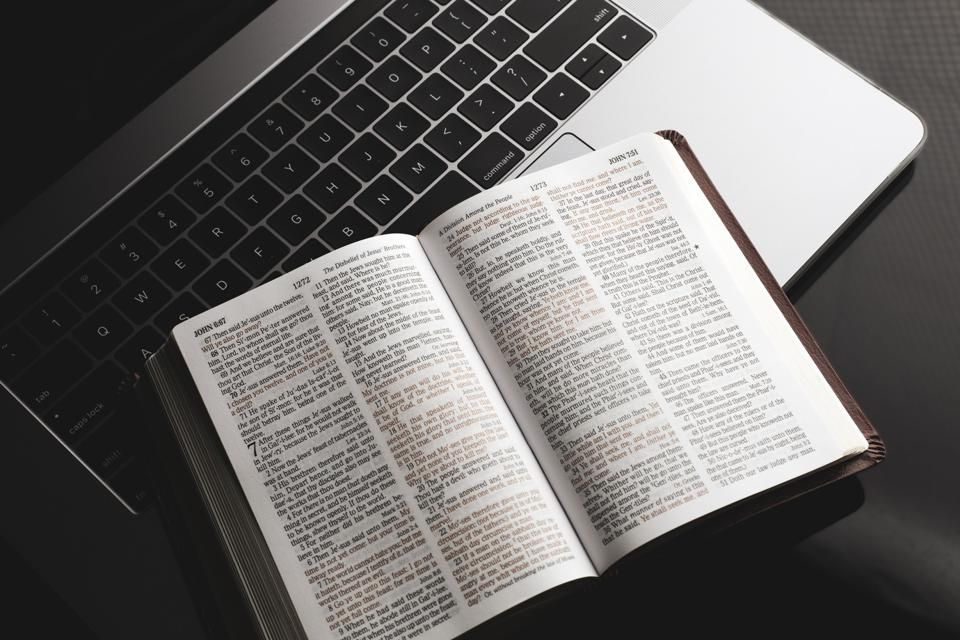
Developing a consistent prayer practice does not always require a complicated routine. Sometimes, a notebook and a few quiet minutes are enough. Other people prefer digital tools that help them organize prayer intentions, set reminders, or access faith-related activities through a smartphone. This creates a common question: prayer journaling vs. prayer apps, which approach is better? Both can support a more intentional prayer life, but they serve different needs. Understanding their advantages and limitations can help you choose the approach that fits your routine, personal preferences, and spiritual goals. What Is the Difference Between Prayer Journaling and Prayer Apps? Prayer journaling involves writing down prayers, gratitude, personal intentions, questions, or spiritual reflections. It can be done in a notebook, diary, or another physical writing format. Prayer apps are digital tools designed to support prayer and devotional activities. Depending on the platform, they may include reminders, spaces to record intentions, devotional resources, or opportunities to engage with a broader community. The main difference is how each tool supports the practice. Journaling creates a personal space for writing and reflection, while apps can provide digital access, organization, and additional forms of participation. Neither approach is automatically better for everyone. What Are the Benefits of Prayer Journaling? It Creates Space for Personal Reflection Writing can encourage you to slow down and put your thoughts into words. You might record something you are grateful for, reflect on a difficult experience, or write a prayer for someone you care about. This process can help make your practice more personal by giving you space to explore your thoughts without needing to share them with anyone else. It Provides a Record of Your Journey A journal allows you to revisit previous entries. Over time, you may notice changes in your concerns, priorities, or reflections. For some people, this record provides a meaningful way to look back on their spiritual journey. You can organize entries by date, theme, or personal preference without relying on a digital platform. It Can Reduce Screen Time If you already spend much of the day using a phone or computer, writing in a physical notebook can create a break from screens. A journal does not need internet access, notifications, or an account. It can be used in a quiet setting whenever you have time to reflect. What Are the Limitations of Prayer Journaling? Journaling requires you to have a notebook and writing materials available, and it may take time to record your thoughts. If you prefer digital organization or often forget to make time for prayer, a notebook alone may not provide the reminders or structure you need. Its private nature can also mean that it does not offer the same opportunities for community participation that some digital platforms provide. What Are the Benefits of Prayer Apps? They Offer Convenient Digital Access A prayer app can make certain faith-related activities available through a device you already use. Depending on its features, you may be able to access devotional resources or manage prayer-related information without carrying a physical journal. This convenience may be especially useful when you travel or move between different environments. They Can Support Consistency Some apps provide reminders or other tools that help users return to a routine. A reminder can serve as a prompt to pause and pray during a busy day. However, reminders should remain supportive. A missed notification or interrupted streak should not become a source of unnecessary guilt. They May Offer Community Participation Some prayer apps include features that allow users to share intentions or participate in collective spiritual activities. For people who want both personal devotion and connection with others, these options may provide an additional dimension that a private journal does not offer on its own. What Are the Limitations of Prayer Apps? Digital apps may introduce distractions, notifications, or features that do not support your main goal. Their availability and usefulness also depend on the platform, device compatibility, and any account or privacy requirements. Before choosing an app, review its current features and privacy practices. Do not assume that every app offers the same tools or handles personal information in the same way. Prayer Journaling vs. Prayer Apps: A Quick Comparison Aspect Prayer Journaling Prayer Apps Main purpose Personal writing and reflection Digital support for prayer and related activities Accessibility Requires a notebook or writing materials Usually accessed through a compatible digital device Reminders Must be managed separately May offer reminders, depending on the app Privacy Physical journal must be stored securely Depends on the platform’s data and privacy practices Community Primarily a personal activity Some apps support community participation Screen time Can provide a break from screens Requires device use Best suited for People who enjoy writing and private reflection People who prefer digital access, reminders, or community tools Can You Use Prayer Journaling and Prayer Apps Together? Yes. You do not have to choose only one approach. For example, you could use a digital reminder to establish a regular time for prayer and then write in a notebook when you want to reflect more deeply. You might also use a prayer app to engage with a community while keeping personal reflections in a private journal. This combination can offer structure without sacrificing the quiet and personal nature of writing. Example: A Simple Morning Prayer Routine Imagine you want to spend a few minutes in prayer before starting work or school. If you prefer journaling, you could write a short prayer or list something you appreciate. If you prefer a digital approach, you could use a reminder to prompt your practice and then spend a few quiet minutes reflecting. Both routines can serve the same intention. The important part is choosing a method you can maintain comfortably. How to Choose the Right Approach for Your Needs Start by identifying what makes prayer easier or more difficult for you. Also consider privacy, convenience, and whether the tool encourages meaningful engagement rather than simply increasing screen time. The best approach is not necessarily the
How Do Prayer Communities Work Online?

Prayer has traditionally brought people together in homes, places of worship, and community gatherings. Today, digital technology offers another way to share prayer intentions, reflect on faith, and support one another across physical distances. Online prayer communities make it possible for people to participate in shared spiritual activities even when they cannot meet in person. For people with busy schedules or limited access to local groups, these communities can provide an additional way to maintain a prayer routine and feel connected to others. Understanding how online prayer communities work can help you decide whether digital participation fits your spiritual needs. What Are Online Prayer Communities? Online prayer communities are digital spaces where people gather around prayer, devotion, and spiritual reflection. They may operate through dedicated apps, websites, virtual meetings, messaging groups, or other digital platforms. Some communities focus on a particular religious tradition, while others bring together people from different spiritual backgrounds. Their activities can range from sharing prayer intentions to participating in scheduled online gatherings. Unlike a traditional prayer group that meets at a physical location, an online community can accommodate members who live in different cities or countries. However, the format and level of participation depend on how each community is organized. How Do Online Prayer Communities Work? Although every community has its own approach, the process often follows a few simple steps. Some groups gather at a specific time, while others allow members to participate at different times throughout the day. This flexibility can make online prayer more accessible to people with different schedules. Can People Pray Together Online Without Being in the Same Place? Yes. People can participate in shared prayer through live video gatherings, scheduled online sessions, or communities where members share intentions asynchronously. For example, someone might share a prayer intention in the morning, and another member could respond later that day. They do not necessarily need to be online simultaneously to participate in the same community experience. This approach can be useful for families living in different locations, people who travel frequently, or individuals whose work schedules make regular in-person attendance difficult. Digital participation does not need to replace physical gatherings. For many people, it can complement existing spiritual practices and relationships. Why Do People Join Online Prayer Communities? To Maintain a Consistent Prayer Routine Daily responsibilities can make it difficult to reserve time for prayer. Participating in a community may encourage people to establish a regular routine and return to their spiritual practices more intentionally. The benefit does not come from constant app usage. It comes from making room for prayer in a way that is realistic and meaningful. To Find Encouragement and Belonging Prayer can be personal, but people may also value knowing that others are willing to listen, offer encouragement, or remember their intentions. A supportive online community can provide opportunities for connection, particularly for people who feel isolated or cannot easily attend a local gathering. To Connect Across Geographic Boundaries Online communities can bring together people who would otherwise have few opportunities to participate in the same spiritual activities. Members may live in different regions, follow different schedules, or come from different backgrounds. Digital participation creates another way to share experiences while respecting individual beliefs. To Participate More Flexibly Some people cannot attend a weekly gathering because of work, caregiving responsibilities, travel, or accessibility needs. Online communities may offer alternatives that fit more comfortably into their routines. The best format depends on whether someone prefers live interaction, independent participation, or a combination of both. How Can You Choose a Safe and Supportive Online Prayer Community? Before joining a community, take time to understand how it operates. A meaningful prayer community should support participation without requiring members to compromise their personal boundaries. How Devotion Coin Connects With Digital Prayer Devotion Coin is a faith-focused digital ecosystem built around digital devotion and spiritual connection. Its approach explores how blockchain technology can form part of a digital environment for faith-related participation, rather than positioning the platform as an investment or trading service. Its broader vision is to make space for digital expressions of devotion while recognizing that people approach prayer and spirituality in different ways. For people exploring digital faith engagement, Devotion Coin offers another example of how technology can be incorporated into spiritual experiences. Review the platform’s current features and policies to decide whether it suits your needs. To learn more about the underlying concept, explore [What Is a Digital Prayer Platform and How Does It Work?]. What Is the Future of Online Prayer Communities? Digital prayer communities may continue to evolve as communication tools and online platforms develop. New technology could support ways to organize devotional activities, discover relevant resources, and participate in digital communities. Artificial intelligence may eventually assist with tasks such as organizing schedules or suggesting relevant reflection materials. Blockchain may also support particular forms of digital infrastructure and participation. However, these possibilities should not overshadow the purpose of prayer. Technology cannot guarantee spiritual growth or replace meaningful human relationships. Its value depends on whether it helps people participate in ways that respect their beliefs and intentions. Conclusion: Building Spiritual Connection Beyond Distance Online prayer communities offer another way for people to share intentions, maintain spiritual routines, and connect with others across geographic boundaries. Depending on the community, participation may involve live gatherings, asynchronous prayer, devotional activities, or simple words of encouragement. The right community is one that respects your beliefs, protects your privacy, and supports meaningful participation without unnecessary pressure. Devotion Coin explores the intersection of digital devotion and technology through a faith-focused ecosystem. Discover Devotion Coin to learn more about digital approaches to spiritual connection. Frequently Asked Questions How do online prayer communities work? They bring people together through digital platforms to share prayer intentions, participate in virtual gatherings, or engage in other spiritual activities. The exact format depends on the community. Can I join an online prayer community without attending live sessions? Some communities allow asynchronous participation, meaning members can contribute at different times.