Prayer Journaling vs. Prayer Apps: Which Is Better?
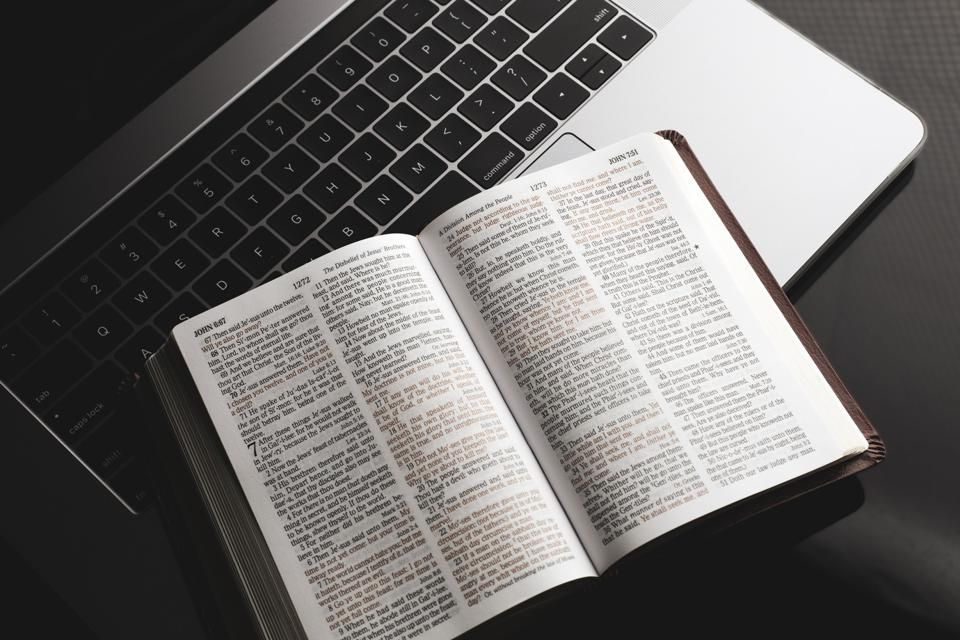
Developing a consistent prayer practice does not always require a complicated routine. Sometimes, a notebook and a few quiet minutes are enough. Other people prefer digital tools that help them organize prayer intentions, set reminders, or access faith-related activities through a smartphone. This creates a common question: prayer journaling vs. prayer apps, which approach is better? Both can support a more intentional prayer life, but they serve different needs. Understanding their advantages and limitations can help you choose the approach that fits your routine, personal preferences, and spiritual goals. What Is the Difference Between Prayer Journaling and Prayer Apps? Prayer journaling involves writing down prayers, gratitude, personal intentions, questions, or spiritual reflections. It can be done in a notebook, diary, or another physical writing format. Prayer apps are digital tools designed to support prayer and devotional activities. Depending on the platform, they may include reminders, spaces to record intentions, devotional resources, or opportunities to engage with a broader community. The main difference is how each tool supports the practice. Journaling creates a personal space for writing and reflection, while apps can provide digital access, organization, and additional forms of participation. Neither approach is automatically better for everyone. What Are the Benefits of Prayer Journaling? It Creates Space for Personal Reflection Writing can encourage you to slow down and put your thoughts into words. You might record something you are grateful for, reflect on a difficult experience, or write a prayer for someone you care about. This process can help make your practice more personal by giving you space to explore your thoughts without needing to share them with anyone else. It Provides a Record of Your Journey A journal allows you to revisit previous entries. Over time, you may notice changes in your concerns, priorities, or reflections. For some people, this record provides a meaningful way to look back on their spiritual journey. You can organize entries by date, theme, or personal preference without relying on a digital platform. It Can Reduce Screen Time If you already spend much of the day using a phone or computer, writing in a physical notebook can create a break from screens. A journal does not need internet access, notifications, or an account. It can be used in a quiet setting whenever you have time to reflect. What Are the Limitations of Prayer Journaling? Journaling requires you to have a notebook and writing materials available, and it may take time to record your thoughts. If you prefer digital organization or often forget to make time for prayer, a notebook alone may not provide the reminders or structure you need. Its private nature can also mean that it does not offer the same opportunities for community participation that some digital platforms provide. What Are the Benefits of Prayer Apps? They Offer Convenient Digital Access A prayer app can make certain faith-related activities available through a device you already use. Depending on its features, you may be able to access devotional resources or manage prayer-related information without carrying a physical journal. This convenience may be especially useful when you travel or move between different environments. They Can Support Consistency Some apps provide reminders or other tools that help users return to a routine. A reminder can serve as a prompt to pause and pray during a busy day. However, reminders should remain supportive. A missed notification or interrupted streak should not become a source of unnecessary guilt. They May Offer Community Participation Some prayer apps include features that allow users to share intentions or participate in collective spiritual activities. For people who want both personal devotion and connection with others, these options may provide an additional dimension that a private journal does not offer on its own. What Are the Limitations of Prayer Apps? Digital apps may introduce distractions, notifications, or features that do not support your main goal. Their availability and usefulness also depend on the platform, device compatibility, and any account or privacy requirements. Before choosing an app, review its current features and privacy practices. Do not assume that every app offers the same tools or handles personal information in the same way. Prayer Journaling vs. Prayer Apps: A Quick Comparison Aspect Prayer Journaling Prayer Apps Main purpose Personal writing and reflection Digital support for prayer and related activities Accessibility Requires a notebook or writing materials Usually accessed through a compatible digital device Reminders Must be managed separately May offer reminders, depending on the app Privacy Physical journal must be stored securely Depends on the platform’s data and privacy practices Community Primarily a personal activity Some apps support community participation Screen time Can provide a break from screens Requires device use Best suited for People who enjoy writing and private reflection People who prefer digital access, reminders, or community tools Can You Use Prayer Journaling and Prayer Apps Together? Yes. You do not have to choose only one approach. For example, you could use a digital reminder to establish a regular time for prayer and then write in a notebook when you want to reflect more deeply. You might also use a prayer app to engage with a community while keeping personal reflections in a private journal. This combination can offer structure without sacrificing the quiet and personal nature of writing. Example: A Simple Morning Prayer Routine Imagine you want to spend a few minutes in prayer before starting work or school. If you prefer journaling, you could write a short prayer or list something you appreciate. If you prefer a digital approach, you could use a reminder to prompt your practice and then spend a few quiet minutes reflecting. Both routines can serve the same intention. The important part is choosing a method you can maintain comfortably. How to Choose the Right Approach for Your Needs Start by identifying what makes prayer easier or more difficult for you. Also consider privacy, convenience, and whether the tool encourages meaningful engagement rather than simply increasing screen time. The best approach is not necessarily the
Exploring Spiritual Apps Available in the USA

People in the United States approach spirituality in different ways. Some follow established religious traditions, some practice meditation or personal reflection, and others combine several approaches to faith and well-being. As smartphones become part of everyday routines, digital platforms offer additional ways to explore these activities. Spiritual apps cover a broad range of purposes. Some focus on prayer, others support meditation, and some provide spaces for devotional activities or faith-related engagement. Because these categories serve different needs, choosing an app requires more than simply looking at a list of popular platforms. Understanding the available types of spiritual apps can help you identify what fits your beliefs, preferences, and daily routine. What Types of Spiritual Apps Are Available? Prayer and Devotional Apps Prayer and devotional apps are designed to support prayer routines and faith-related activities. Depending on the platform, they may provide devotional materials, prayer-related tools, or ways to engage with spiritual content. These apps may be useful for people who want to incorporate prayer into their daily schedules. Before choosing one, consider whether its approach aligns with your religious tradition and personal preferences. Meditation and Mindfulness Apps Meditation apps generally focus on guided meditation, breathing exercises, mindfulness, or quiet reflection. Some take a secular approach, while others incorporate spiritual or philosophical traditions. They may appeal to users who want a structured way to set aside time for attention and reflection. However, meditation apps and prayer apps are not interchangeable in every context; the right choice depends on the practice you want to pursue. Religious Learning and Community Apps Some digital platforms focus on religious education, access to faith-related material, or communication within a community. Their purposes and features vary, so users should examine the content and participation options available. For people who want to learn more about a tradition or remain connected with a community, these platforms may provide a useful supplement to other forms of engagement. Digital Devotion Platforms Digital devotion platforms explore how technology can support faith-related participation and spiritual connection. Some use digital infrastructure to create new ways for people to engage with devotional experiences. This is a developing area, and individual platforms should be assessed according to their actual features, transparency, and suitability for users. How to Choose a Spiritual App in the USA 1. Identify Your Main Goal Start by deciding what you want the app to help you do. You may be looking for prayer support, meditation guidance, educational content, or another form of spiritual engagement. A clear goal makes it easier to compare platforms based on relevant features rather than being distracted by options you may never use. 2. Check Whether It Fits Your Beliefs Spiritual apps do not all approach faith in the same way. Some are designed for a particular tradition, while others take a broader approach to spirituality. Review the platform’s description and content before using it. If inclusivity matters to you, look for clear information about whom the platform is designed to serve and how it approaches different beliefs. 3. Review Privacy and Data Practices Spiritual preferences and personal reflections can be sensitive. Before creating an account or sharing information, review the platform’s privacy policy and understand what data it collects, how it uses that data, and whether you can manage your information. Do not assume that an app is private simply because it focuses on spirituality. 4. Consider Ease of Use An app should make your chosen practice easier to access, not create unnecessary friction. Consider whether its interface is understandable, whether its main features are easy to find, and whether it fits your routine. A simpler platform may be more useful than one with many features that do not support your needs. 5. Look Beyond Popularity Claims An app’s visibility does not necessarily mean it is the right choice for every person. Rankings, reviews, availability, and features can change over time. Instead of relying on unsupported claims about which apps are the most popular, compare current information from official app listings and the platforms themselves. Evaluate each option against your own goals and preferences. What Role Does Technology Play in Modern Spirituality? Technology can make certain spiritual activities easier to access and organize. Digital tools may help people set aside time for reflection, explore relevant material, or engage with faith-related experiences through a familiar device. However, digital convenience does not automatically create a deeper spiritual connection. The value of an app depends on how it supports the user’s intentions and whether it complements the practices and relationships that matter to them. Users should also consider how much time they spend on their devices and whether notifications or engagement features distract from the purpose of their practice. Devotion Coin and Digital Spiritual Connection Devotion Coin is a faith-focused digital ecosystem designed around digital devotion and spiritual connection. It explores the use of blockchain technology as infrastructure for digital faith-related engagement rather than positioning the platform as an investment or trading service. For people in the USA who are exploring digital approaches to spirituality, Devotion Coin provides another example of how technology is being applied to faith-related experiences. As with any digital platform, review its current availability, features, terms, and privacy information before deciding whether it meets your needs. Do not assume that every feature is suitable for every tradition or user. What Could the Future of Spiritual Apps Look Like? Digital spirituality may continue to evolve as platforms explore new ways to support reflection, participation, and connection. Blockchain-based infrastructure is one area being explored for digital engagement, although its practical value depends on how it is implemented and used. Future developments should be evaluated based on real user needs, privacy, accessibility, and respect for different beliefs. Technology is most useful when it supports meaningful participation without creating unnecessary complexity or replacing the human side of spiritual life. Conclusion Spiritual apps available in the USA serve different purposes, from prayer and meditation to religious learning and digital devotion. Choosing the right one starts with understanding your goal, checking
Best Tools to Stay Consistent with Prayer

Maintaining a regular prayer routine can be challenging when work, study, family responsibilities, and unexpected tasks fill the day. Even people who value prayer may find it difficult to set aside a consistent time for it. The solution does not always require a major change in lifestyle. Simple tools, thoughtful reminders, and realistic routines can make prayer easier to incorporate into everyday life. The goal is not to turn prayer into another task to complete, but to create space for a meaningful and sustainable practice. Why Can Prayer Consistency Be Difficult? People may struggle to maintain a prayer routine for several reasons. Their schedules may change frequently, they may forget to set aside time, or they may feel discouraged when they miss a day. Sometimes, the problem is an unrealistic expectation. A routine that requires too much time or depends on perfect conditions can be difficult to maintain. A more sustainable approach starts with a manageable commitment and a clear connection between the habit and an existing part of the day. Tools That Can Help You Maintain a Prayer Routine 1. Calendar Reminders A calendar reminder can help you reserve time for prayer. You might schedule a short period in the morning, during a break, or before going to bed. Choose a time that fits your real schedule rather than an ideal routine that is difficult to follow. If your days vary, consider using a flexible time window instead of expecting yourself to follow the exact same minute every day. 2. A Physical Prayer Journal A prayer journal provides a space to record reflections, intentions, gratitude, or personal experiences related to prayer. Writing can help you look back on your journey and notice how your thoughts or priorities change over time. You do not need to write a long entry every day. A few words may be enough to make the practice feel personal and manageable. 3. Digital Prayer and Devotion Apps Digital apps can provide a convenient way to access prayer-related activities from a smartphone. Depending on the platform, they may help users organize their routines or engage with digital devotion. An app is most useful when its features support a clear purpose. If frequent notifications or complicated features distract you, simplify your setup or choose a tool that better fits your needs. 4. A Dedicated Physical Space You do not necessarily need an app to develop a consistent prayer habit. A quiet corner, a comfortable chair, or another familiar place can help signal that it is time to pause. A dedicated space can be especially useful when your home or work environment is busy. What matters is finding a setting that allows you to focus as comfortably as possible. 5. Habit Tracking A simple habit tracker can help you notice patterns in your routine. You could use a notebook, a calendar, or a digital checklist to record when you made time for prayer. However, tracking should be a supportive tool rather than a measure of spiritual worth. Missing a day does not erase the value of your practice or mean you have failed. How to Build a Consistent Prayer Habit Step 1: Start With a Realistic Goal Begin with a commitment that fits your current circumstances. If your schedule is busy, a short period of prayer may be more realistic than a long daily session. You can adjust your routine as it becomes more familiar. Step 2: Connect Prayer to an Existing Habit Try associating prayer with something you already do, such as waking up, taking a break, or preparing for bed. Connecting a new habit to an established routine can make it easier to remember. Step 3: Reduce Distractions Choose a place and time when you are less likely to be interrupted. If you use your phone for prayer, consider silencing unrelated notifications during that period. Step 4: Be Flexible When Your Schedule Changes A consistent habit does not require every day to look exactly the same. If your usual time becomes unavailable, find another suitable moment rather than abandoning the routine entirely. Step 5: Focus on Meaning, Not Just Frequency A tracker or reminder can help you remember to pray, but the purpose of prayer goes beyond checking a box. Make room for sincerity and reflection instead of focusing only on maintaining a streak. How Devotion Coin Supports Digital Devotion Devotion Coin is a faith-focused digital ecosystem designed around digital devotion and spiritual connection. It explores how blockchain technology can support new forms of digital faith engagement. For people interested in incorporating technology into their spiritual lives, Devotion Coin offers a way to explore this developing area. Its role should be understood in the context of digital devotion, not as a replacement for personal faith, traditional prayer practices, or community relationships. Review the platform’s current features to determine whether they suit your needs. Conclusion The best tools to stay consistent with prayer are the ones that help you create a sustainable routine. Calendar reminders, prayer journals, digital apps, dedicated spaces, and simple trackers can all be useful when they support your intentions. Start small, stay flexible, and focus on the meaning of the practice rather than perfection. To explore another approach to digital devotion, discover Devotion Coin and learn more about technology-enabled spiritual connection. Frequently Asked Questions What is the best tool for maintaining a prayer routine? The best tool depends on your needs. A calendar reminder may help you remember, a journal may support reflection, and a digital app may offer convenient access to prayer-related activities. How can I remember to pray every day? Try linking prayer to an existing daily habit or setting a reminder at a realistic time. Keep the routine manageable so it is easier to maintain. Is it okay to use an app for prayer? Digital tools can support prayer routines, provided they fit your beliefs and preferences. They do not need to replace traditional practices. What should I do if I miss a day of prayer? Return to your
Meditation Apps vs. Prayer Apps: What Should You Choose?

Digital tools have made it easier to explore different approaches to personal reflection. Some people use meditation apps to develop mindfulness and focus, while others turn to prayer apps to support their religious or spiritual routines. Although both can encourage people to set aside time for themselves, they do not necessarily serve the same purpose. Understanding the difference between meditation apps and prayer apps can help you choose a tool that fits your intentions. The right choice depends on what you want to practice, what you believe, and how you prefer to incorporate reflection into your day. What Is the Difference Between Meditation Apps and Prayer Apps? What Are Meditation Apps? Meditation apps are digital tools that help users engage in meditation or mindfulness activities. Depending on the app, these may include guided sessions, breathing exercises, quiet reflection, or practices focused on attention and awareness. People may use meditation to create a regular moment of calm, observe their thoughts, or build a habit of being more present. Meditation approaches differ, and not every meditation practice has the same spiritual or religious foundation. Some are secular, while others may draw from particular philosophical or spiritual traditions. What Are Prayer Apps? Prayer apps are designed to support prayer and other faith-related activities. Depending on the platform, they may offer devotional materials, prayer-related features, or a digital space for engaging with spiritual practices. For many people, prayer involves communicating with or expressing devotion to a divine presence. Its meaning and form vary across religious traditions and individual beliefs. A prayer app may help users remember or organize their practice, but it does not determine the meaning of prayer for them. Meditation Apps vs. Prayer Apps: Key Differences Aspect Meditation Apps Prayer Apps Primary purpose Support meditation, mindfulness, or focused reflection Support prayer and faith-related practices Common activities Guided meditation, breathing, quiet observation Prayer, devotion, or other prayer-related activities Spiritual orientation May be secular or connected to a tradition Usually centered on prayer or faith Personal intention Often focused on attention, awareness, or stillness Often focused on devotion, communication, gratitude, or spiritual connection Best fit People seeking a structured meditation practice People seeking support for a prayer routine These are general distinctions, not strict rules. Some people combine prayer and meditation, and some digital platforms support more than one kind of practice. Which App Should You Choose? Choose a Meditation App If You Want to Practice Mindfulness If your goal is to set aside time for focused attention, explore guided meditation, or establish a mindfulness routine, a meditation app may be a suitable starting point. Look for an approach that feels comfortable and manageable. You do not need to begin with long sessions; a short, consistent practice may be easier to maintain. Choose a Prayer App If You Want Support for Your Faith Routine If prayer is already part of your beliefs or something you want to explore more consistently, a prayer app may be more relevant to your needs. Consider whether the app’s approach to prayer aligns with your tradition and whether its features genuinely support your routine. Avoid choosing an app simply because it offers the largest number of features. Consider Both If Your Practices Overlap Some people find value in both prayer and meditation. For example, they may use meditation for quiet reflection and prayer for a more direct expression of faith. There is no universal requirement to choose only one. The important thing is to understand the purpose of each practice and use them in a way that feels appropriate to your beliefs. What Should You Look for in a Spiritual App? Before choosing an app, consider these factors: A simple tool that fits your routine may be more useful than a complicated app you rarely open. Exploring Digital Devotion With Devotion Coin Devotion Coin is a faith-focused digital ecosystem that explores new ways to support digital devotion and spiritual connection. Its approach uses blockchain as technological infrastructure rather than positioning the platform as an investment or trading service. For people interested in digital faith engagement, it offers another perspective on how technology can be incorporated into spiritual experiences. Users should explore the platform’s current offerings and determine whether they align with their own needs and beliefs. Conclusion The choice between meditation apps and prayer apps comes down to your intention. Meditation apps may support mindfulness and focused reflection, while prayer apps are more directly connected to prayer and faith-related routines. Some people may benefit from using both. Start by identifying what you want to practice, then choose a tool that supports that purpose without distracting you from it. Explore Devotion Coin to learn more about digital devotion and new approaches to spiritual connection. Frequently Asked Questions Are meditation apps and prayer apps the same? No. They may overlap, but meditation apps generally support meditation or mindfulness, while prayer apps focus on prayer and related spiritual activities. Can I use a meditation app and a prayer app together? Yes. Some people use both for different purposes, depending on their beliefs and personal routines. Are prayer apps only for religious people? Prayer apps are generally designed around prayer or faith-related activities. Whether one is appropriate for you depends on your beliefs and the way you want to engage with spirituality. What should beginners look for in a prayer app? Beginners should look for an easy-to-use platform whose purpose and approach align with their beliefs, without unnecessary pressure to use it constantly.
Best Apps for Building Spiritual Habits

We all know the feeling of starting a new routine with enthusiasm, only to watch our consistency fade when daily busyness takes over. Whether it’s reading scripture, sitting in silent reflection, or engaging in daily prayer, maintaining a steady spiritual life can feel challenging amid work deadlines, household responsibilities, and constant digital distractions. Yet, true spiritual growth rarely happens through occasional, dramatic gestures. It is forged in small, quiet, daily acts of devotion, the kind that gradually shape our character, build resilience, and ground our days in peace. Fortunately, modern habit-building science can help us cultivate lasting routines. By combining time-tested spiritual disciplines with smart digital tools, you can transform sporadic good intentions into a thriving daily prayer life. Here is a guide to the best app features and strategies for building consistent spiritual habits. The Psychology of Spiritual Habit Building Habit formation relies on a well-documented neurological cycle: Cue Routine Reward. When applying this framework to spiritual life: The key to making a spiritual habit stick is starting small and eliminating friction. If an app makes engaging in prayer effortless and meaningful, showing up every day becomes second nature. What Features Make a Great Spiritual Habit App? When choosing an app to support your daily prayer routine, look for these essential habit-building features: 1. Daily Nudges and Custom Reminders Gentle, well-timed notifications act as daily cues, prompting you to pause and pray during natural transition points in your day. 2. Habit Tracking and Milestones Visual streak counters, devotion scores, and achievement badges provide positive reinforcement, keeping you motivated to maintain your daily streak. 3. Frictionless, Brief Content Options On exceptionally busy or exhausting days, the app should offer quick 60-second prayer options so you can keep your habit alive without feeling overwhelmed. 4. Meaningful Community Purpose Knowing that your daily habit benefits others adds a powerful layer of personal accountability and shared motivation. Top Apps and Platforms for Building Daily Devotion Daily Scripture & Reading Apps These traditional devotional apps deliver short passage selections and reflections to your lock screen every morning. They are ideal for users who want structured daily reading schedules. Simple Habit-Tracker Apps Generic habit-tracking apps allow you to check off “Prayer” alongside fitness or hydration goals. While effective for basic discipline, they lack spiritual context and community depth. Devotion Coin – A Complete Ecosystem for Daily Devotion For a digital platform designed from the ground up to foster deep, consistent spiritual habits, Devotion Coin stands in a class of its own. Devotion Coin transforms daily prayer into an engaging, multi-layered habit ecosystem: Practical Tips to Make Your Prayer Routine Permanent To ensure your new habit lasts long after initial motivation fades, try these proven strategies: Small Steps Lead to Deep Transformation A flourishing spiritual life is not built overnight. It is cultivated through small, steady choices made day after day. With the support of gentle digital tools like Devotion Coin, you can easily build a habit of daily prayer that brings lasting joy, focus, and connection to your life. FAQs
Best Digital Tools for Faith and Mental Wellness

In recent years, the conversation surrounding mental health has expanded significantly. Today, we recognize that emotional well-being, psychological health, and spiritual life are deeply interconnected. When we face anxiety, burnout, or grief, we need holistic support that cares for our mind, body, and spirit. As a result, a new generation of digital health tools has emerged. Rather than treating faith and mental health as separate categories, these apps integrate daily devotion, mindfulness, and emotional check-ins to build resilience and peace. If you want to use technology to nurture your emotional and spiritual wellness, here is a guide to the best digital tools available today. Why Faith and Mental Wellness Belong Together For centuries, faith practices provided the primary framework for emotional processing, grief support, and community connection. Modern clinical psychology frequently highlights how core elements of spiritual life directly benefit mental health: When digital tools are designed thoughtfully, they make these health-giving practices accessible right from our pockets. Key Categories of Digital Faith and Wellness Tools 1. Guided Christian & Interfaith Meditation Apps These apps combine traditional mindfulness techniques—deep breathing, body scans, and soothing audio—with sacred scripture, reflections, or spiritual themes. They are especially helpful for people struggling with sleep issues, acute worry, or busy minds. 2. Digital Gratitude & Mood Journals Writing down daily blessings and tracking your emotional states helps you spot anxiety triggers and observe long-term growth. Digital journals allow password-protected logging of prayers and daily reflections, serving as a private record of emotional healing over time. 3. Devotion Coin – A Sanctuary for Faith-Based Mental Wellness While traditional social media apps often increase anxiety through social comparison and doomscrolling, Devotion Coin was intentionally engineered to do the exact opposite. Devotion Coin provides a quiet, peaceful ecosystem designed explicitly for spiritual and emotional support: How to Build a Balanced Digital Faith Routine To protect your mental health while using digital faith tools, consider these healthy guidelines: Technology in Service of Emotional and Spiritual Peace Technology itself is neutral; its value depends entirely on how we use it. When we choose tools that prioritize privacy, humility, and genuine community support, our digital devices can become instruments of healing and deep peace. By integrating digital faith tools like Devotion Coin into your daily life, you can cultivate a resilient mind, a calm nervous system, and a deeply nourished soul. FAQs
Best Prayer Apps for Daily Spiritual Growth

Finding the best prayer apps for daily spiritual growth can make a meaningful difference in how consistently you connect with your faith. In today’s fast-paced digital world, many people struggle to find time for prayer, reflection, and spiritual renewal. Prayer apps help bridge that gap by providing accessible tools, reminders, and communities that encourage daily devotion. Whether you’re looking to strengthen your prayer habits, deepen your spiritual journey, or stay connected with a faith community, the right prayer app can become a valuable companion for personal growth. Understanding Prayer Apps and Their Role in Spiritual Growth Prayer apps are digital tools designed to help individuals incorporate prayer and reflection into their everyday lives. They make spiritual practices more accessible by bringing faith-centered resources directly to a smartphone or device. What Is a Prayer App? A prayer app is a mobile platform that helps users engage with prayer, devotionals, spiritual reflections, and faith-based communities. Features often include: The purpose is to support and encourage a consistent spiritual routine. Why Are Prayer Apps Growing in Popularity? People today face increasingly busy schedules and constant distractions. Prayer apps provide a convenient way to stay connected to faith throughout the day, whether at home, at work, or while traveling. For many individuals, these tools make spiritual growth feel more achievable and sustainable. Modern Life, Technology, and the Need for Daily Prayer Technology has transformed how people communicate, work, and learn. It has also changed how many engage with their spiritual lives. While digital devices can create distractions, they can also be used intentionally to strengthen faith. The Challenge of Staying Spiritually Consistent Many people want to pray more regularly but struggle to maintain a routine. Notifications, work demands, and daily responsibilities can make it easy to postpone prayer until it becomes an occasional practice. Prayer apps help by creating moments of intentional reflection throughout the day. How Prayer Apps Help Combat Spiritual Disconnect Spiritual disconnect often occurs when people feel overwhelmed by the demands of modern life. Prayer apps can help users: These small interactions can lead to meaningful long-term spiritual growth. To learn more about the role of digital faith platforms, visit:What Is a Digital Prayer Platform and How Does It Work? How Devotion Coin Brings a Unique Approach to Digital Prayer Among the many options available, Devotion Coin offers a distinctive faith-first experience focused on prayer, devotion, and spiritual engagement. A Faith-Centered Digital Ecosystem Devotion Coin is designed to help individuals strengthen their connection to faith through meaningful digital experiences. Rather than focusing on financial activities, the platform emphasizes prayer, devotion, community participation, and spiritual growth. Blockchain Supporting Digital Devotion Blockchain technology serves as a foundation for transparency and authentic participation within the Devotion Coin ecosystem. Users do not need technical expertise to benefit from the platform. The focus remains on faith engagement, prayer, and meaningful connection. Learn more about this innovative approach:How Does Prayer Work on Blockchain Without Money? Why Devotion Coin Stands Apart Devotion Coin combines: Its mission is to help people maintain a stronger and more consistent prayer life in a modern world. Real-Life Ways Prayer Apps Support Spiritual Growth The value of the best prayer apps for daily spiritual growth becomes clear through everyday experiences. Building Better Prayer Habits Many users find that prayer reminders help them establish consistent routines. Even a few minutes of intentional prayer each day can strengthen spiritual discipline over time. Encouraging Faith Consistency Consistency often matters more than duration. Prayer apps help users stay connected to their faith through regular engagement, even during busy periods. Small daily practices often lead to lasting spiritual growth. Creating Community Connection Faith grows through relationships and shared experiences. Digital prayer communities allow users to encourage one another, share prayer intentions, and build meaningful connections regardless of location. These communities help create a sense of belonging and support. The Future of Prayer Apps, AI, and Blockchain Technology continues evolving, and faith-centered platforms are discovering new ways to support spiritual growth. How AI May Enhance Spiritual Engagement Artificial intelligence may help provide: These tools can make spiritual engagement more accessible while preserving personal faith experiences. The Role of Blockchain in Faith Communities Blockchain can help create trusted environments for prayer participation and community engagement. When used thoughtfully, it supports authentic interaction and shared spiritual experiences. A Future Focused on Purpose The future of faith technology is not about replacing traditional prayer. Instead, it is about providing tools that help people remain connected to faith in a world filled with distractions. Platforms like Devotion Coin demonstrate how innovation can serve spiritual purpose while encouraging meaningful devotion. Conclusion The best prayer apps for daily spiritual growth are those that help individuals build consistent prayer habits, deepen spiritual connection, and engage with supportive faith communities. As technology becomes a larger part of everyday life, faith-centered platforms offer valuable opportunities to strengthen devotion without sacrificing authenticity. Devotion Coin stands apart by combining digital devotion, community engagement, and innovative technology in a way that keeps faith at the center of the experience. Reconnect with what truly matters and start a more intentional daily prayer journey by Download Devotion Coin on Google Play FAQs: 1. What are the best prayer apps for daily spiritual growth? The best prayer apps for daily spiritual growth help users develop consistent prayer habits, access devotional content, receive reminders, and connect with supportive faith communities. They make spiritual practices more accessible in everyday life. 2. How do prayer apps help strengthen faith? Prayer apps encourage regular prayer, reflection, and devotion through daily reminders, inspirational content, guided prayers, and community engagement, helping users stay connected to their faith. 3. Are prayer apps a replacement for traditional prayer? No. Prayer apps are designed to complement traditional prayer practices by providing convenient tools and resources that support spiritual growth and consistency.
Prayer Apps vs Traditional Prayer Methods: Which Is Better?

For thousands of years, humans have prayed in ways passed down from generation to generation. Spoken aloud, whispered in silence, sung in community, or written in journals – prayer has always been deeply human. Now, prayer apps are entering the picture. And a growing number of people are asking a question that would have seemed strange just a decade ago: Are prayer apps better than traditional prayer methods? The honest answer? It depends on who you are – and what prayer means to you. This guide explores both, with the depth the question deserves. What Are Traditional Prayer Methods? Traditional prayer methods are the practices that have formed the spiritual backbone of human civilization. Spoken prayer – often called liturgical or vocal prayer – is praying aloud, alone or with others. It’s the “Our Father,” the Salah, the Shema, the Om. Contemplative or silent prayer – practiced in many traditions – involves sitting in stillness and opening oneself to the divine. Meditation and centering prayer fall in this category. Journaling and written prayer – capturing thoughts, gratitude, and requests in writing as a form of intentional spiritual communication. Corporate worship – praying together in a church, mosque, synagogue, or temple. The oldest and most communal form of prayer. These methods have sustained billions of people across centuries. Their power is undeniable. What Are Prayer Apps – and What Do They Offer? Prayer apps are digital tools that support, structure, or enhance prayer practice. They range from simple daily devotional reminders to complex community platforms. The best prayer apps offer: Devotion Coin goes a step further. It’s not simply an app with prayer content – it’s a global faith ecosystem built around the act of prayer itself. Every interaction is a prayer. Every prayer creates community. And every community intention flows into a shared Vault of spiritual energy. The Case for Traditional Prayer Traditional prayer methods carry irreplaceable gifts. Embodied presence. There is something about kneeling, bowing, folding hands, or standing in a holy space that engages the body and anchors the spirit. No screen replicates that. Generational continuity. Praying the same words your grandparents prayed connects you to something ancient and enduring. That rootedness matters. Undivided attention. Without a phone in your hand, traditional prayer asks for your full, uninterrupted presence. That depth of attention can be spiritually profound. Sensory richness. Candles, incense, music, the texture of prayer beads – traditional methods engage all five senses in ways that support focused devotion. The Case for Prayer Apps Prayer apps address real challenges that traditional methods don’t always solve. Inconsistency. Many people want to pray more consistently but struggle to maintain the habit without structure. Prayer apps provide daily prompts, streaks, and gentle reminders. Isolation. For people without a local faith community – or those who feel alienated from organized religion – prayer apps offer connections that might otherwise be absent. Accessibility. Someone recovering from surgery, a caregiver who can’t leave home, or a student living abroad may not be able to attend in-person worship. Prayer apps remove that barrier. Global community. Traditional prayer is often local. Prayer apps can connect you with thousands of people around the world who are praying for the same things you are. So Which Is Better? A Balanced View Neither. Both. The question itself may be the wrong one. Traditional prayer is not being replaced by apps. It is being supplemented by them – in the same way that online sermons did not replace in-person worship, but extended its reach. The most spiritually healthy approach is likely an integration of both: Devotion Coin is designed with this integration in mind. It doesn’t ask you to abandon your tradition – it asks you to carry it with you into the digital world. What Devotion Coin Adds to Both Worlds Devotion Coin bridges the gap between ancient practice and modern life. It’s built for people who: The platform’s Tri-Mint System ensures that every prayer creates three layers of impact – personal, communal, and universal. That’s not a replacement for tradition. That’s tradition, made visible in a new medium. The Best Prayer Is the One You Actually Do At the end of the day, the most powerful prayer is not the most sophisticated one. It’s the one that gets prayed. Whether that happens on a prayer rug at dawn, in a pew on Sunday morning, in a journal by candlelight, or through an app at midnight – what matters is that you show up. That you reach toward something greater than yourself. Devotion Coin simply ensures that wherever you are, whenever you need it, a community is ready to reach back. FAQs: Q: Are prayer apps better than traditional prayer methods? A: Neither replaces the other. Prayer apps offer consistency and community; traditional methods offer depth and embodied presence. The best approach integrates both. Q: Can a prayer app replace going to church? A: No – prayer apps are supplements, not replacements. They extend your spiritual practice but don’t replace the depth of in-person community worship. Q: What makes Devotion Coin different from other prayer apps? A: Devotion Coin is a global faith ecosystem – not just a devotional app. Every prayer creates community impact through its Tri-Mint System, Vaults, and live global prayer feed.